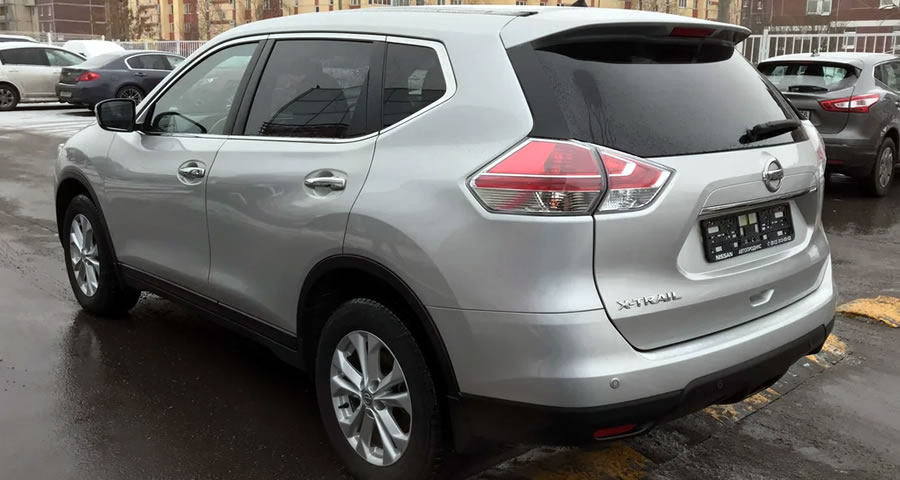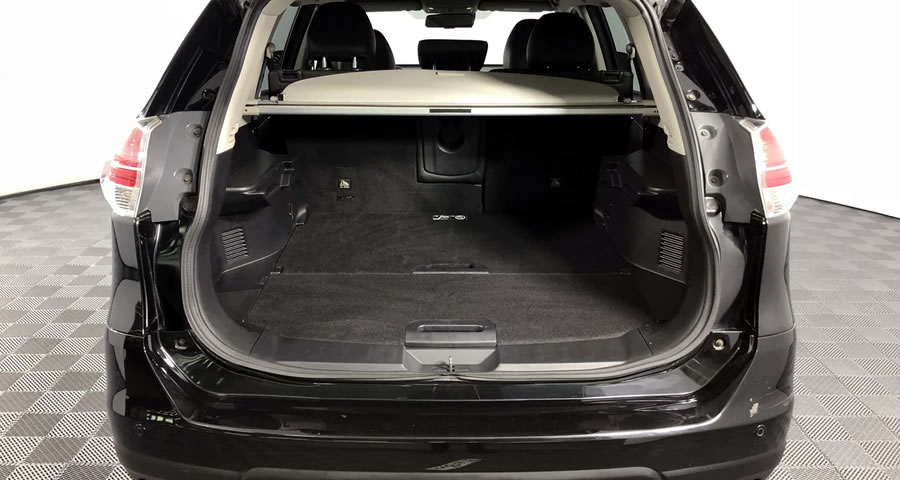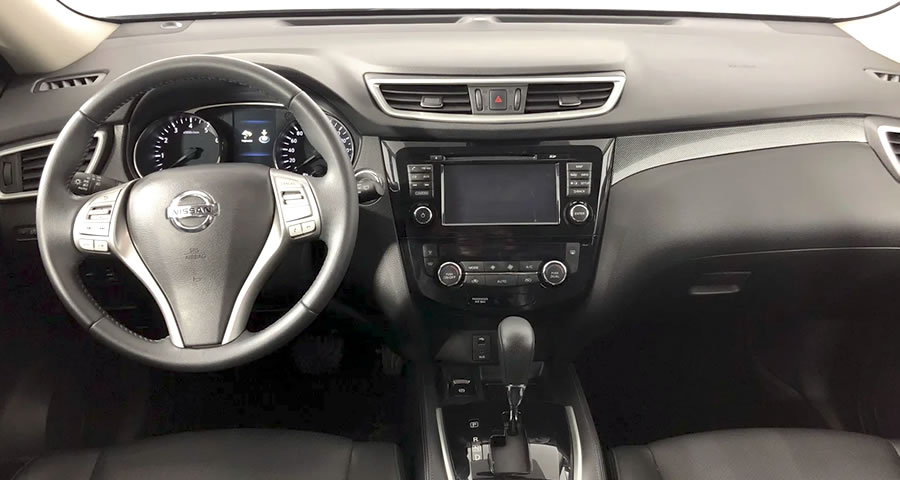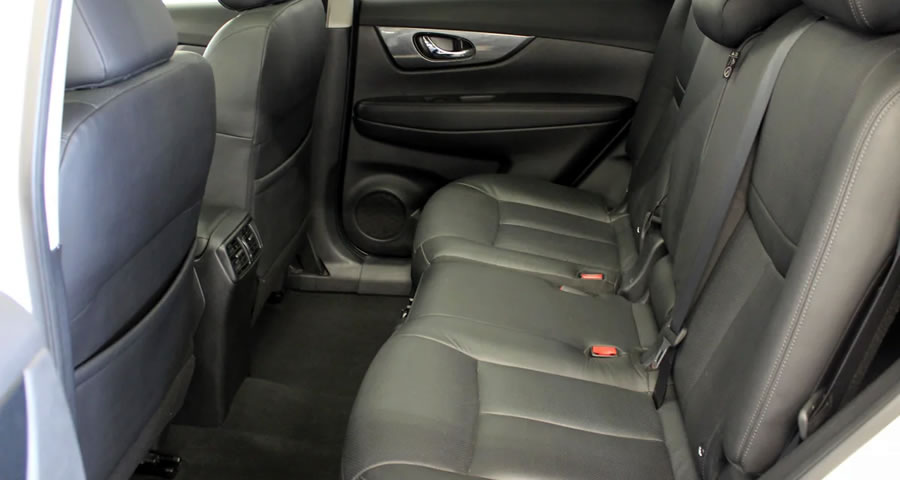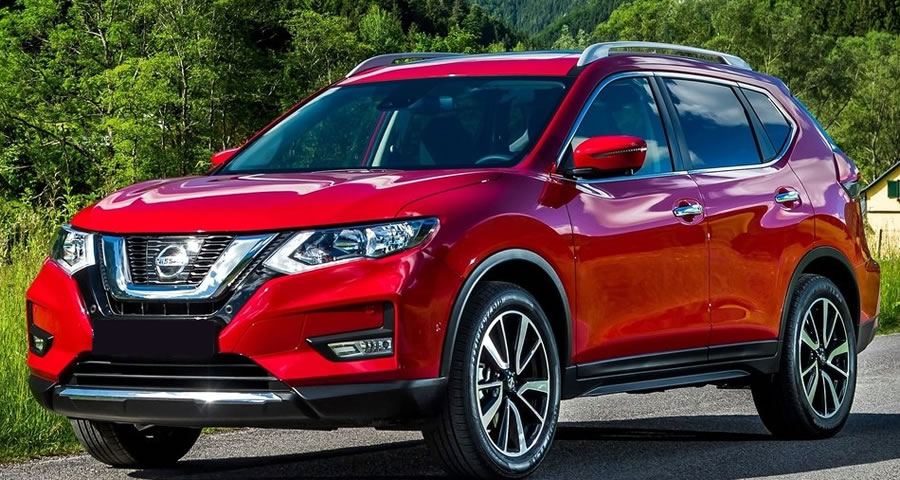
The main competitors and classmates of this car are Chevrolet Captiva, Ford Escape, Hyundai Tucson, Honda CR-V, Jeep Cherokee, Kia Sorento, Mazda CX-7, Land Rover Freelander, Mitsubishi Outlander, Opel Antara, Peugeot 4008, Skoda Kodiaq, Subaru Forester, Suzuki Grand Vitara and Toyota RAV4.
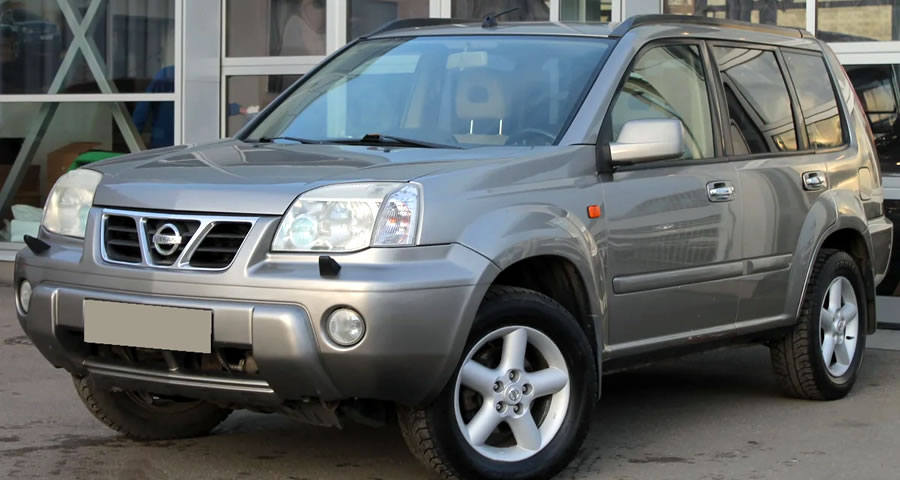
First generation (T30, 2000−2007)
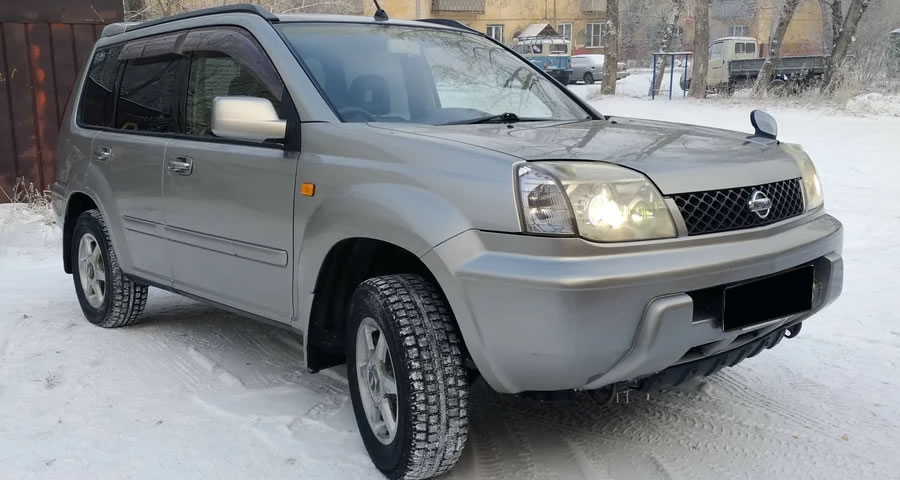
The first generation, coded "T30", was unveiled at the Paris Motor Show in September 2000. Production began in October, and sales in Japan began in November 2000. The car was based on the platform "Nissan FF-S", which was also used for cars "Almera" and "Primera". The length of the body with front-wheel drive was 4455 mm, with all-wheel drive 4511 mm, width 1758-1765 mm, height 1674 mm. The car had four trim levels, which were called differently in different countries.
The petrol engines were 2.0-litre in-line four-cylinder engines (1998 cm³, QR20DE, I4, 140 hp) and 2.5 liters (2488 cm³, QR25DE, I4, 170 hp). Also in 2002, a special version was released "X-Trail GT" with a turbocharged 2-liter engine (1998 cm³, SR20VET, I4) with a capacity of 276 hp. A diesel engine with a volume of 2.2 liters was installed (2184 cm³, YD22DDTi, I4, 134 hp). Gearbox 5- or 6-speed manual, as well as 4-speed automatic.
In 2003, the Taiwanese distributor "Nissan Yulon" launched the "X-Trail" with a fundamentally different front end design compared to the Japanese version. This model was produced until 2008, when it was replaced by the American "Nissan Rogue" first generation, imported from the USA.
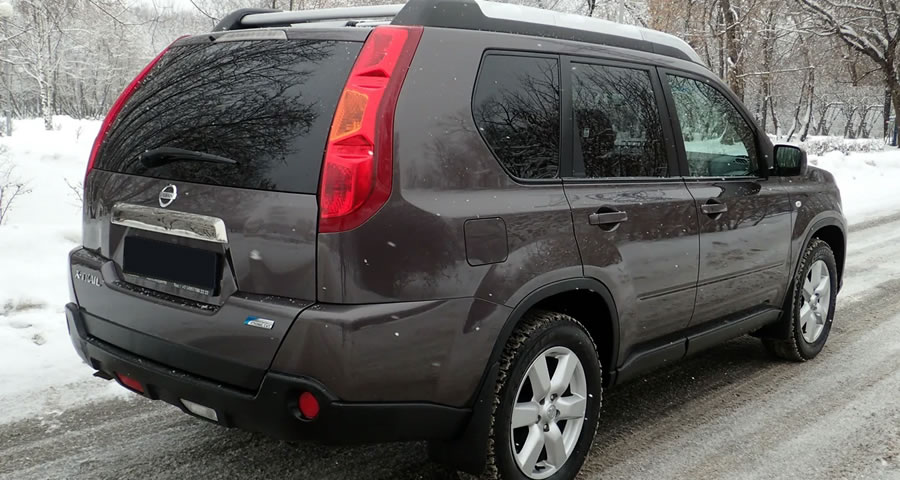
Second generation (T31, 2007−2013)
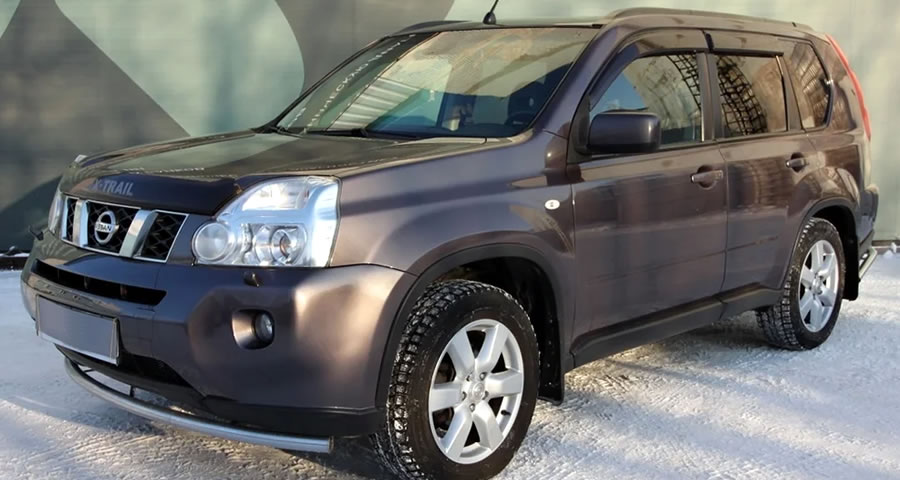
In March 2007, the second generation of the X-Trail, coded T31, was shown to the public at the Geneva International Motor Show. The car went on sale in Japan in August 2007, and a little later the model was exported. It is based on the Nissan C platform, which was also used for "Sentra", "Rogue" and "Qashqai". Since this generation, the X-Trail has not been sold in North America, where it was replaced by the first-generation Rogue. The length of the car was 4630 mm, the width was 1796 mm. The height of the front-wheel drive model was 1689 mm, and the all-wheel drive 1770 mm. In addition to Japan, production was carried out in Thailand, Indonesia, Russia and Latin America. In China, this generation has been produced since 2015 under the name "Dongfeng Fengdu MX6".
The petrol engine lineup consists of 2.0-litre in-line four-cylinder engines (1997 cm³, MR20DE, I4, 139 hp), 2.0 liters (1998 cm³, SR20VET, I4, 276 hp) and 2.5 liters (2488 cm³, QR25DE, I4, 169 hp). A single 2.0-liter diesel engine was installed (1995 cm³, M9R, I4, 173 hp). Transmission 6-speed manual or automatic, as well as continuously variable transmission (CVT).
In 2010, the model was given a facelift. The car's appearance changed, and the dimensions of the body increased, the length of which became 4640 mm, the width 1806 mm, the height of the front-wheel drive 1699 mm, and the all-wheel drive 1780 mm.
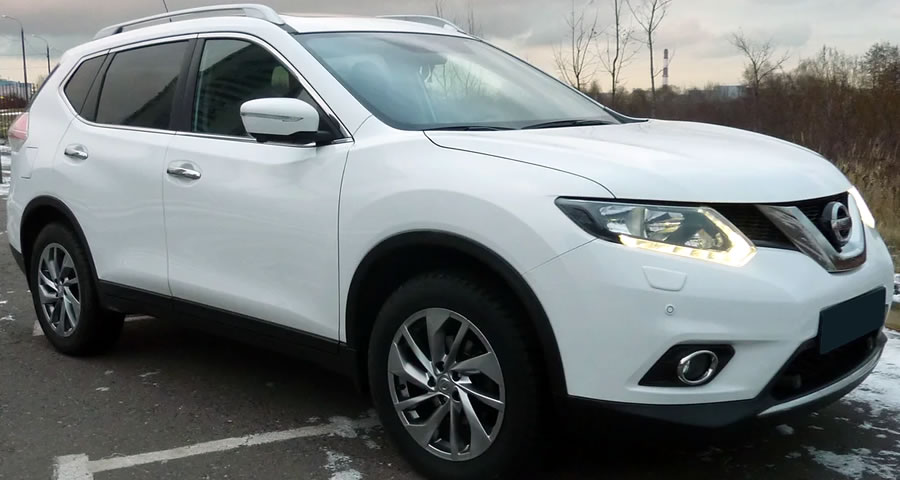
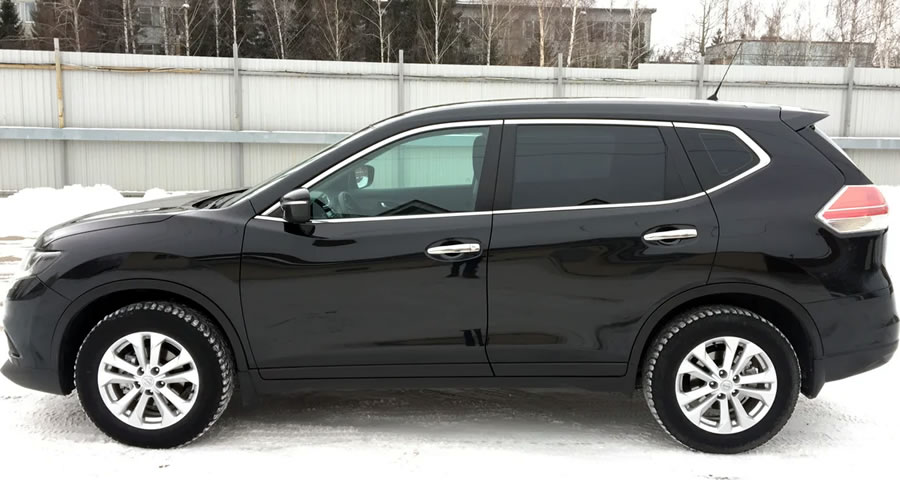
Third generation (T32, 2013–present)
The car was unveiled at the Frankfurt Motor Show in September 2013 in Germany, followed by showings at the 43rd Tokyo Motor Show in November 2013, and the 84th Geneva Motor Show in March 2014. Sales in Japan began on December 11, 2013. The car is 4,641 mm long, 1,820 mm wide, and 1,709 mm high. It is based on the "Nissan CMF-C/D", which is also used "Qashqai", "Rogue", and also "Renault Koleos", "Renault Megane" and "Renault Scenic". Design elements were borrowed from crossovers "Qashqai", "Murano" and "Patrol". In addition to Japan, the car was assembled in Indonesia, China, Malaysia, Russia, the USA, Taiwan, Thailand and South Korea.
The range of petrol engines consists of four-cylinder in-line engines with a capacity of 1.6 liters (1618 cm³, MR16DDT, I4, 161 hp), 2.0 liters (1997 cm³, MR20DD, I4, 147 hp) and 2.5 liters (2488 cm³, QR25DE, I4, 169 hp). Two diesel engines were installed, both four-cylinder in-line engines with a capacity of 1.6 liters (1598 cm³, R9M, I4, 130 hp) and 2.0 liters (1995 cm³, I4, 177 hp). Transmission 6-speed manual or automatic, as well as continuously variable transmission "CVT".
In April 2015, Nissan announced that a hybrid X-Trail with a claimed fuel consumption of 4.9 liters per 100 km was available in Japan.
In October 2016, the exterior received new headlights and LED taillights for the 2017 model year. Higher trim levels get LED projector headlights and LED daytime running lights. Lower trim levels get halogen headlights with LED DRLs.