


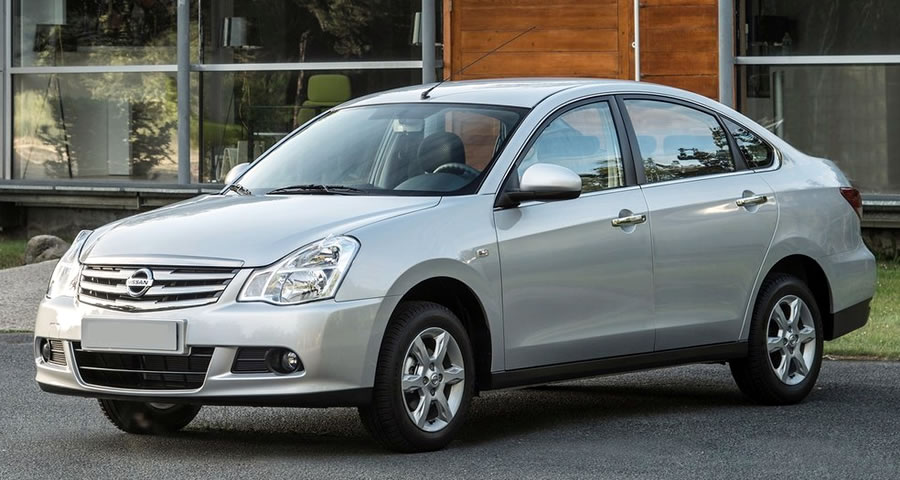
Almera N17 2013 year
Predecessor - Nissan Pulsar
Nissan Pulsar - small car (before 1995, B-segment according to the European classification) and compact family car (after 1995), manufactured by the Japanese automaker Nissan. Came to replace the second generation of the car «Datsun Cherry» (F10). The body was a hatchback and a sedan. The engine was located transversely in front, front-wheel drive, and since 1987 all-wheel drive has appeared.
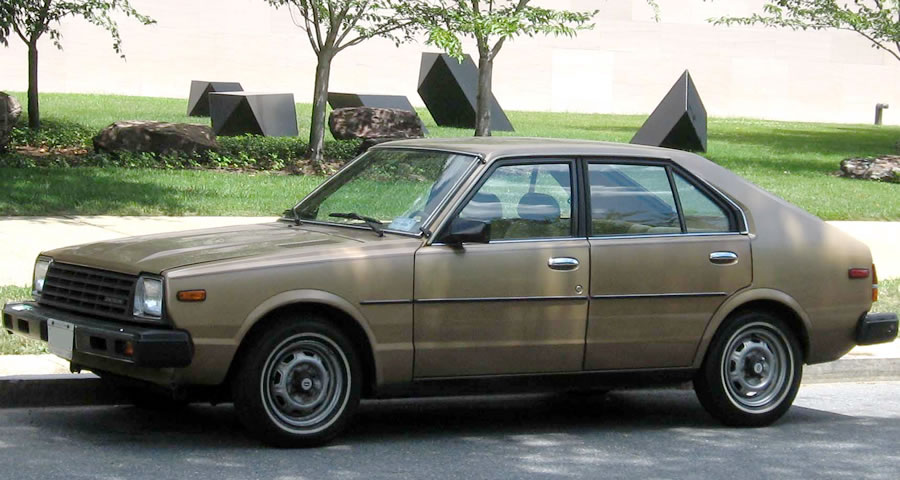
Pulsar N10, hatchback
First generation (N10, N11, 1978−1982)
The car was introduced in May 1978. He kept the name «Cherry» in Europe and other export markets. In February 1979 at the Dutch International Motor Show «AutoRAI» version was shown «Datsun Cherry». The body was produced in the form of a hatchback, sedan, coupe, station wagon and van. Body length was 3890-3940 mm, width 1620 mm and height 1360 mm, weight 840 kg. The car shared the platform with «Nissan Sunny». Production facilities were located in Japan and New Zealand.
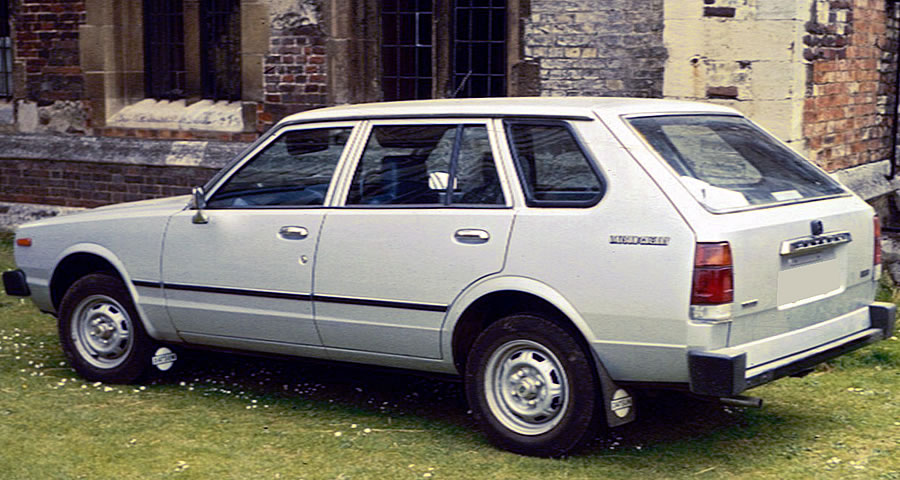
Pulsar N10, station wagon
Badges began to appear on cars in 1982 «Nissan». The company began to abandon the name «Datsun» for their international markets.
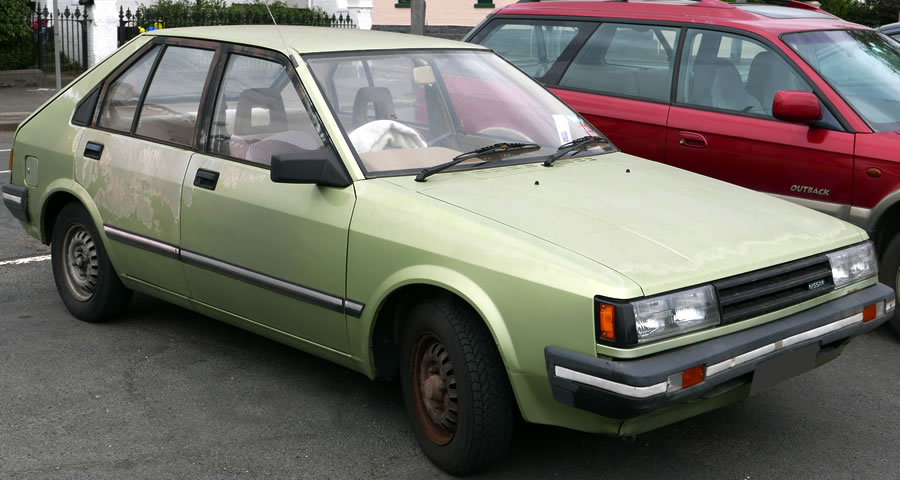
Pulsar N12, hatchback
Second generation (N12, 1982−1986)
Second generation with code «N12» was announced in April and sales began in Europe in October 1982. Worldwide, the car was sold under the brand name «Nissan» with the title «Pulsar». Name remains in Europe «Cherry», in Malaysia and Africa was called «Langley», as well as other names in some countries. The body was produced as a 4-door sedan, 2-door coupe and 3 or 5-door hatchback. Body length was 3980 mm, width 1620 mm, height 1390 mm, curb weight 820 kg. The car was assembled in Japan, Australia and New Zealand.
The engines were mainly four-cylinder gasoline of the following characteristics - 1.0 liter (988 cm3, E10, I4, 50 hp), 1.3 liters (1270 cm3, E13, I4, 60 hp), 1.5 liters (1488 cm3, E15 and E15ET turbo, I4, 67 and 114 hp) and 1.6 liters (1597 cm3, E16, I4, 70 hp). The diesel engine was one with a volume of 1.7 liters (1680 cm3, CD17, I4) 60 HP
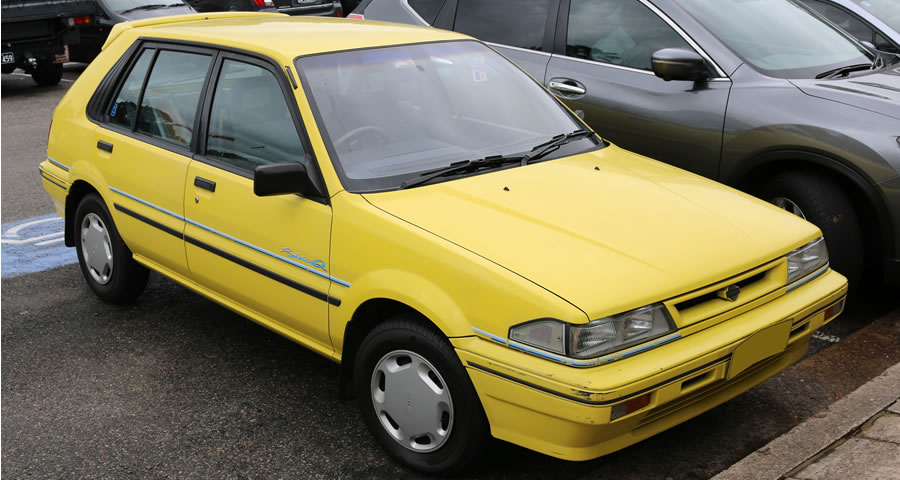
Pulsar N13, hatchback
Third generation (N13, 1986−1990)
Third generation design continued «square» the shape of its predecessor, abandoning the smooth aerodynamic appearance that was part of the automotive fashion of those years. The body style was produced as a 3- or 5-door hatchback and a 4-door sedan. The length of the car was 4229 mm, width 1679 mm and height 1295 mm. The engine was located transversely in front with front-wheel drive. In February 1987, four-wheel drive with three viscous couplings appeared. The price of the all-wheel drive version was 50% higher than the usual one. In 1986, Pulsar received the «Japan Car of the Year». Assembly was carried out in Japan, Australia and New Zealand.
The range of gasoline engines includes four-cylinder in-line models with the following specifications:
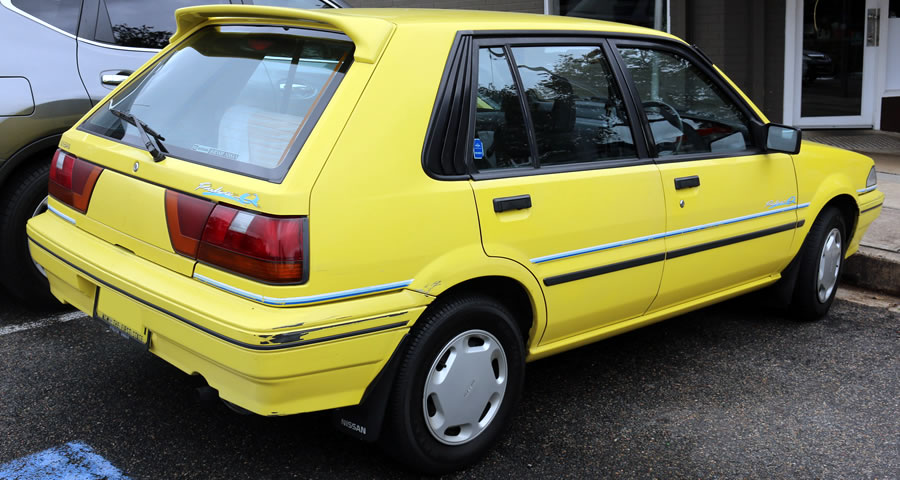
Pulsar N13, back view
- 1.0 liter (988 cm3, E10, 50 hp);
- 1.3 liters (1270 cm3, E13, 60 hp);
- 1.4 liters (1392 cm3, GA14S/GA14DS, 79/75 hp);
- 1.5 liters (1487 cm3, E15, 74 hp);
- 1.5 liters (1497 cm3, GA15S, 85 hp);
- 1.6 liters (1597 cm3, E16, 70 hp);
- 1.6 liters (1597 cm3, GA16S, 84 hp);
- 1.6 liters (1598 cm3, 16LF (GM), 73 hp);
- 1.6 liters (1598 cm3, CA16DE DOHC, 122 hp);
- 1.8 liters (1796 cm3, 18LE (GM), 95 hp);
- 1.8 liters (1809 cm3, CA18DE DOHC, 131 hp).
The diesel engine was installed in one modification with a volume of 1.7 liters (1680 cm3, CD17, I4, 54 hp). The transmission was a 3-speed automatic or 5-speed manual.
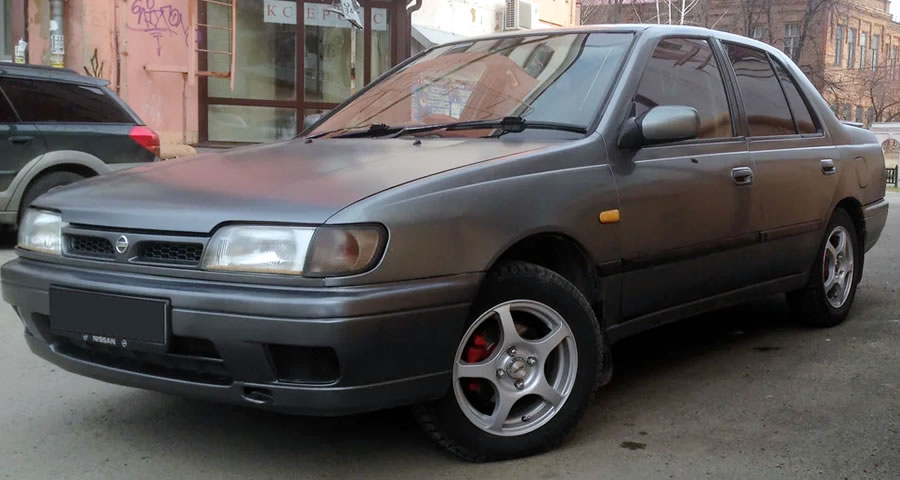
Pulsar N14, sedan
Fourth generation (N14, 1990−1995)
In 1990, smoother lines appeared in the design of the car. This is the last generation of Pulsar in Europe, the next generation will be sold there under the name «Nissan Almera». In the UK, the car was called «Sunny». SKD continued in New Zealand and the car was sold there under the name «Sentra». The body was 3 or 5 door hatchback and 4 door sedan. The length of the car was 4975 mm, width 1690 mm, height 1400 mm and curb weight 1220 kg. There was also a 2-door sports coupe bred into a separate model with the name «NX1600». The engine is located transversely in front, all-wheel drive or four-wheel drive. Assembly shops were located in Japan, Australia, Greece, New Zealand and Taiwan.
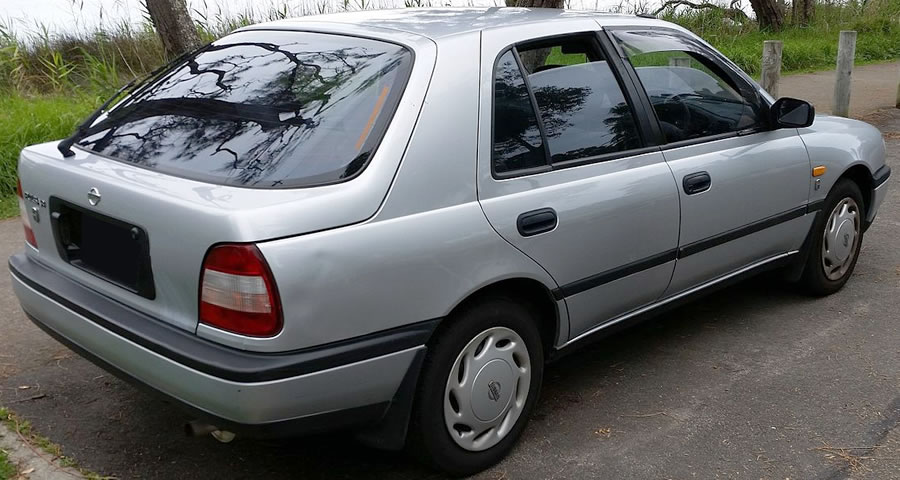
Pulsar N14, hatchback
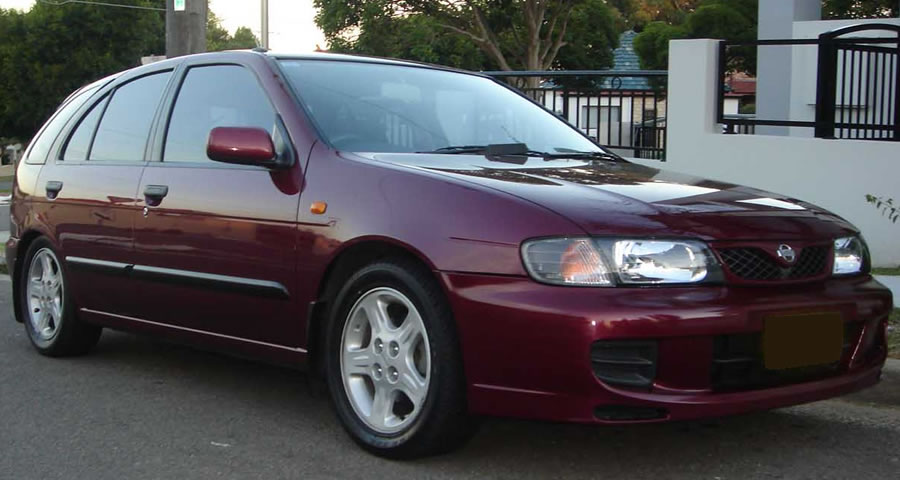
Pulsar N15, station wagon
Fifth generation (N15, 1995−2000)
The fifth generation of Pulsar has grown from small cars (B-segment) and became a compact car (C-segment). As mentioned above, in Europe it was sold under the name «Almera». Name left in New Zealand «Sentra», in Taiwan was the name «Arex Pulsar», in South Korea «Daewoo Pointer». Body styles remain the same as «N14», and the two-door coupe was called «Lucino». The total length of the car was 4120 mm, width 1690 mm, height 1385 mm and curb weight 1040 kg. The engine was located transversely in front, all-wheel drive or front-wheel drive. Assembly was carried out in Japan and Taiwan.
The engine range has been updated, and only gasoline engines of the following characteristics remain - 1.5 liters (1497 cm3, GA15DE, i4, 105 hp), 1.6 liters (1597 cm3, GA16DE, 115 hp), 1.6 liters (1596 cm3, SR16VE, 175 hp), 1.8 liters (1838 cm3, SR18DE, I4, 123 hp) and 2.0 liters (1998 cm3, SR20DE, i4, 160 hp).
First generation Almera (N15, 1995−2000)
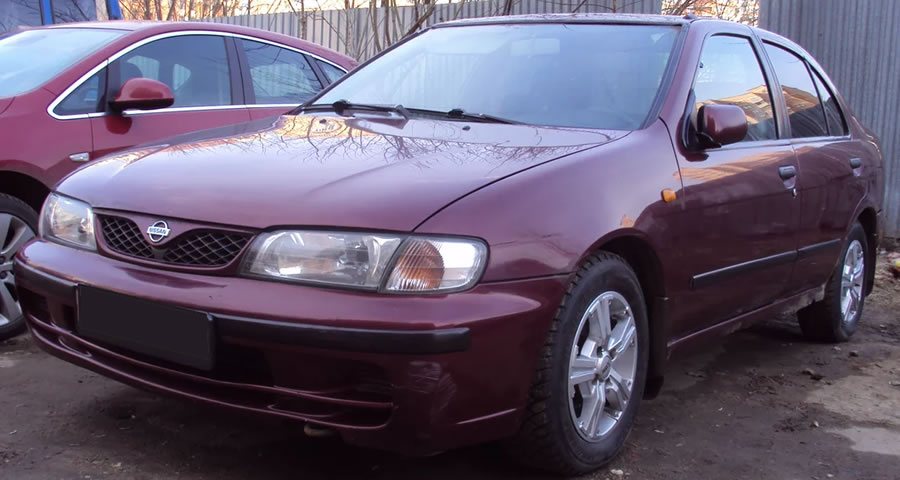
Almera N15, sedan
The range of gasoline engines includes three models with a volume of 1.4 liters (1392 cm3, GA14DE, I4, 86 hp), 1.6 liters (1597 cm3, GA16DE, I4, 115 hp) and 2.0 liters (1998 cm3, SR20DE, I4, 160 hp). The diesel engine was installed one with a volume of 2.0 liters (1973 cm3, CD20, I4, 75 hp). Transmission 5-speed manual or 4-speed automatic.
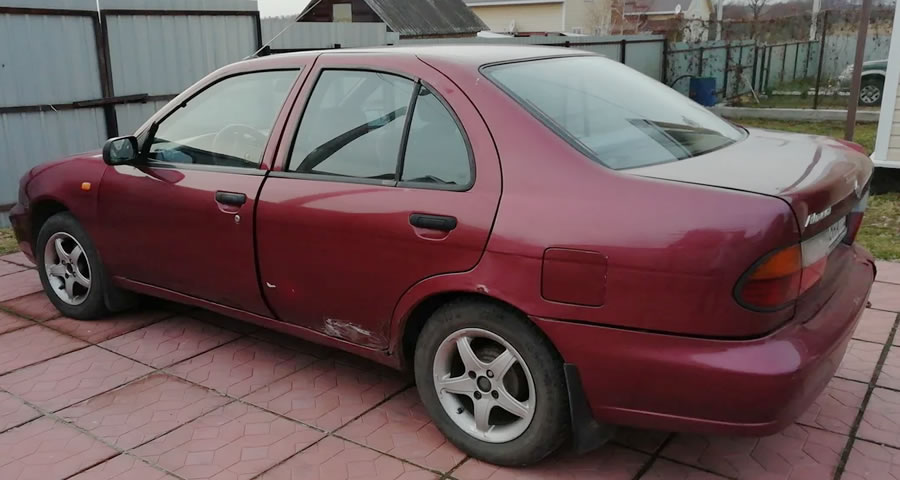 Almera N15, sedan, back view | 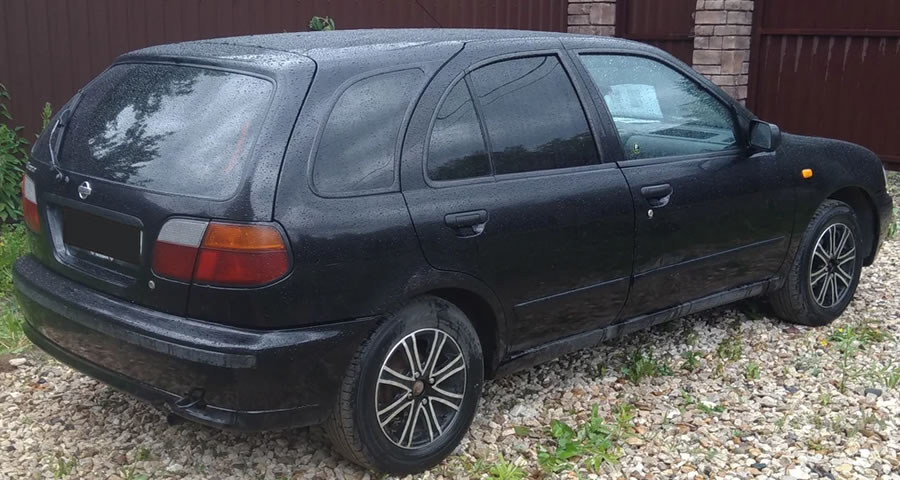 Almera N15, hatchback, back view | 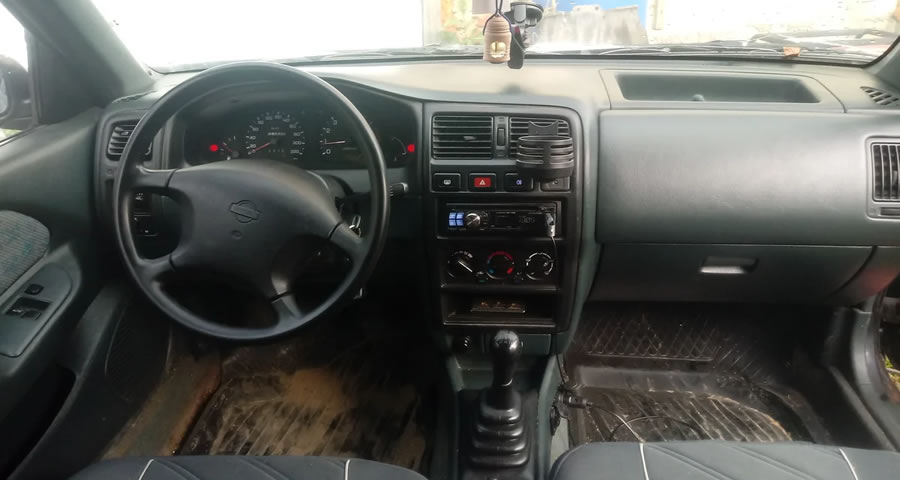 Almera N15, dashboard |
Second generation (N16, 2000−2006)
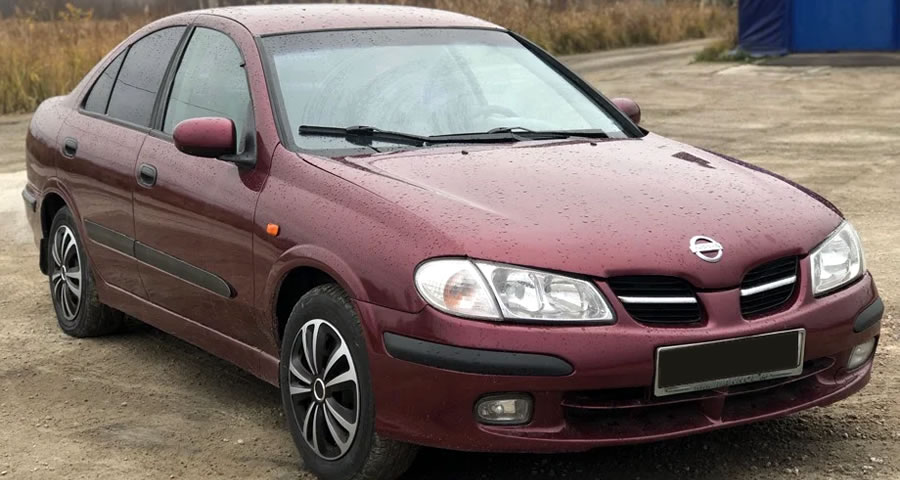
Almera N16, sedan
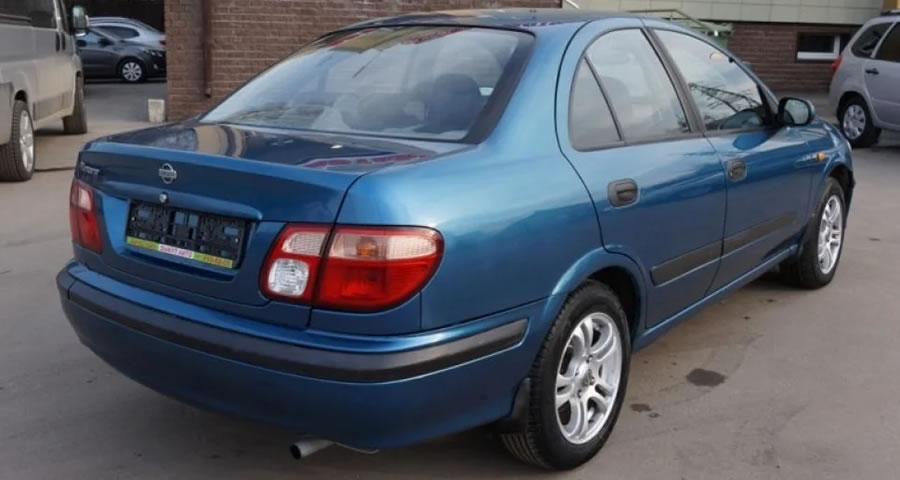
Almera N16, sedan, back view
In 2003, the model was restyled. The car received an updated look and interior, a reconfigured suspension, new engines, and a 6-speed manual gearbox.
In 2002 the company «Renault Samsung Motors» started car production in South Korea «Renault Samsung SM3», based on «Almera N16». Since 2006 it has been sold in Russia and Ukraine as «Almera Classic», in Central America as «Almera B10» and in Central Asia «Sunny B10».
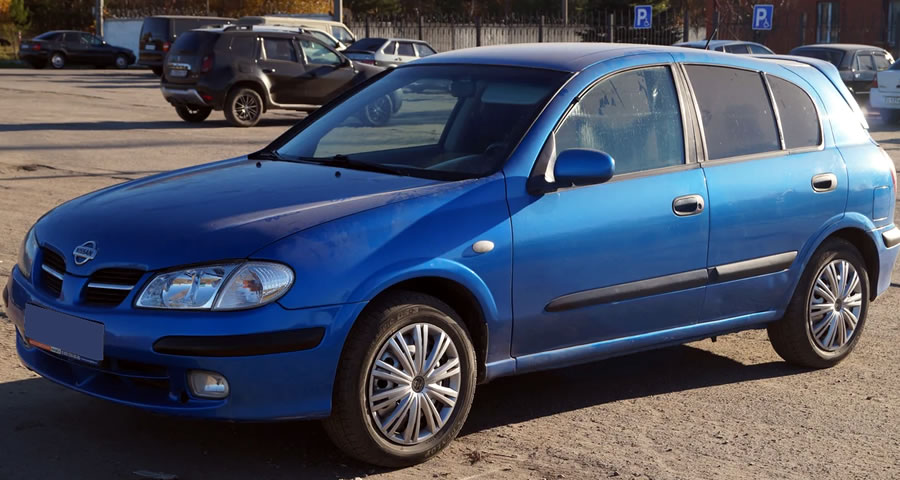 Almera N16, hatchback | 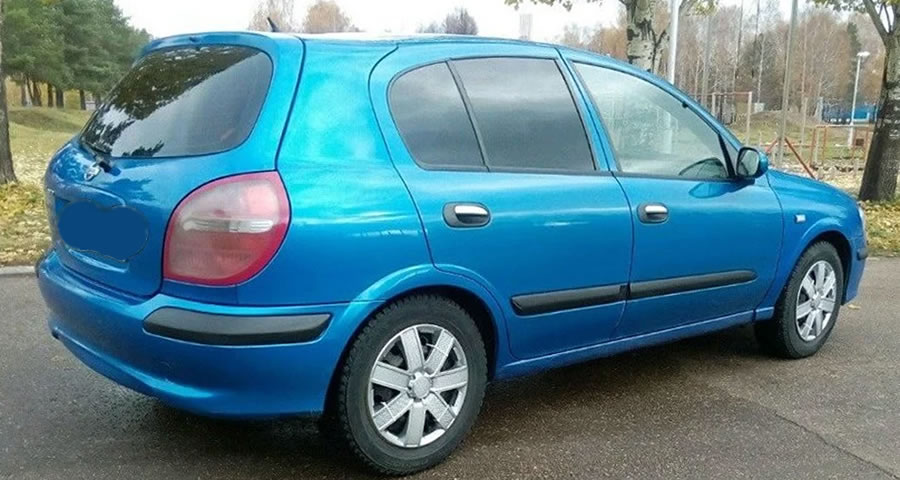 Almera N16, hatchback, back view | 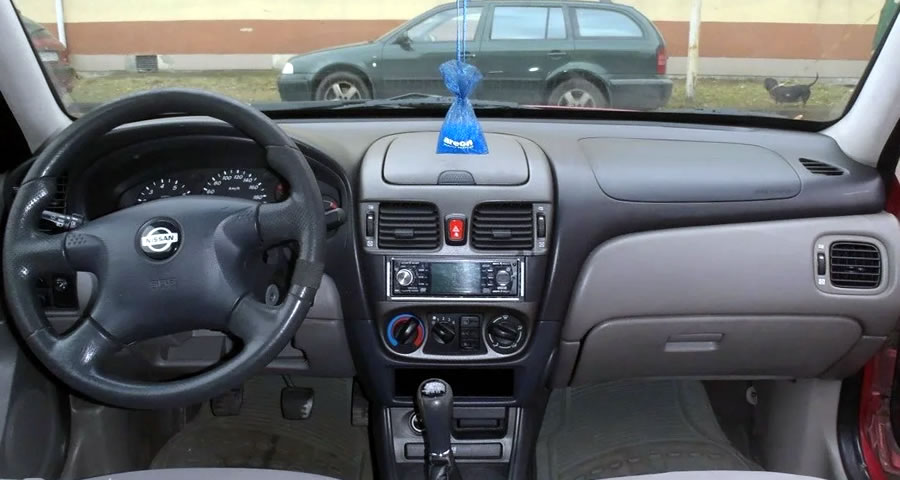 Almera N16, dashboard |
Third generation (N17, 2011−present time)
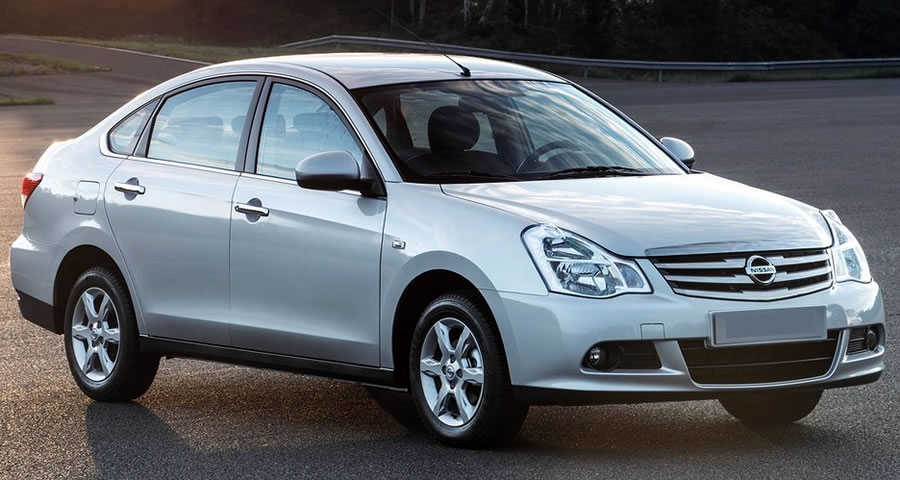
Almera N17, sedan
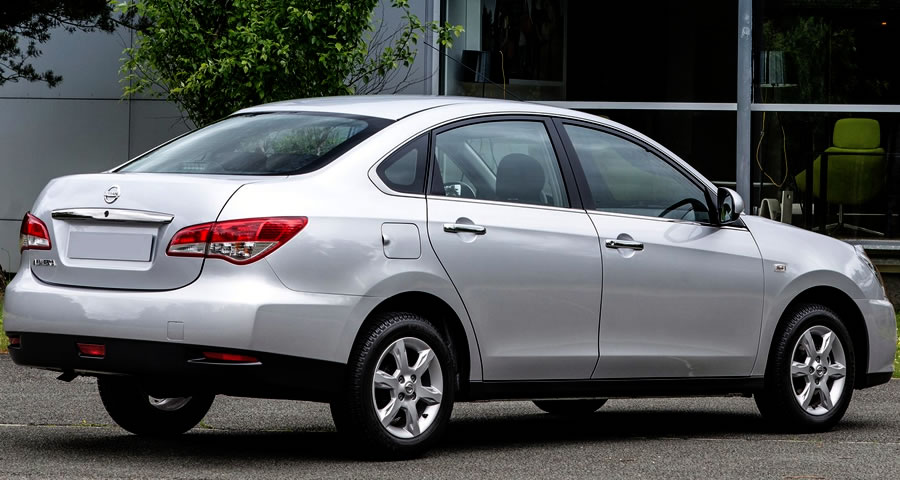 Almera N17, sedan, back view | 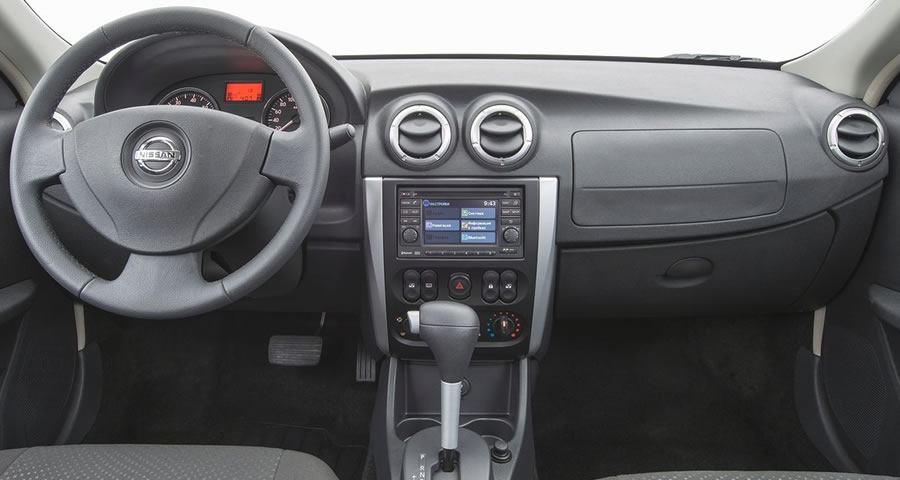 Almera N17, dashboard | 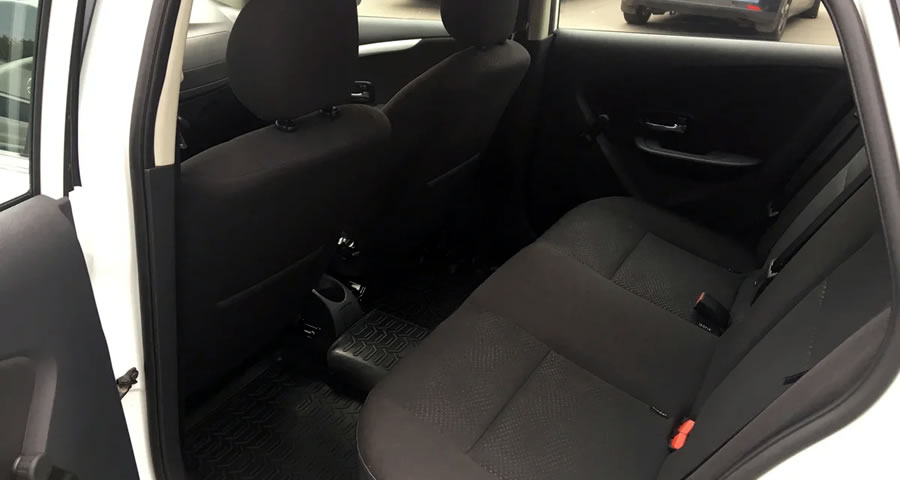 Almera N17, rear seats |