


Table of contents: Turbo (early models) - front ↓ Turbo - rear ↓ Released models ↓ Front Panel - All Other (Early)…↓
Turbo (early models) - front
1. Turbo models built before May 1988 are equipped with a three-piece front air wing (see figure 11.4).
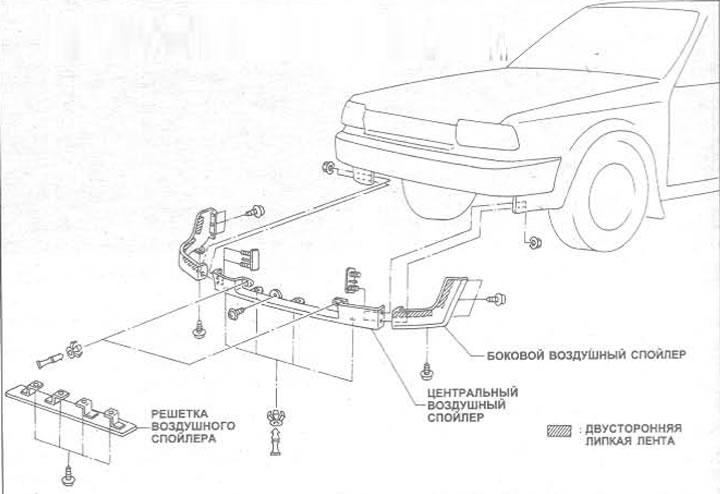
11.4. Installing the front spoiler
2. Each side section is secured with four screws (three in the arc of the wheel and one below) and two nuts on the outer edge. Sometimes double-sided tape can be used.
3. To remove the center section of the spoiler, first remove both side sections, then pull out the spoiler mounting brackets (figure 11.5). Remove the mounting screws and brackets to remove the center section from the front body panel.
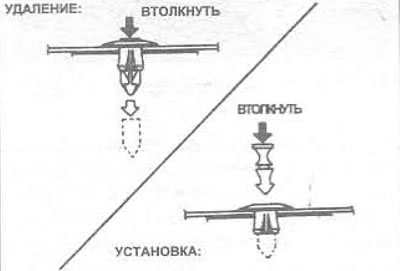
Figure 11.5. Front spoiler mounting parts
4. Assembly is carried out in reverse order.
Turbo - rear
5. On Sedan models, open the trunk lid and use pliers to pull out the spoiler mounting brackets, then unscrew the mounting nuts (figure 11.6). Remove the spoiler from the top of the trunk lid by removing the double-sided tape that holds it in place.
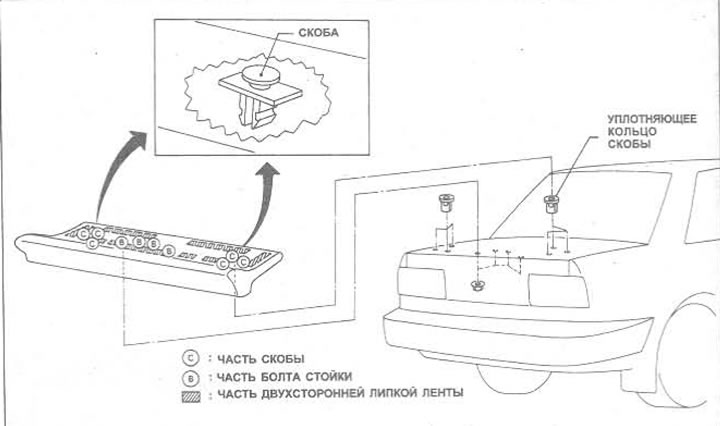
Figure 11.6. Rear spoiler mountings - Sedan
6. On Hatchback models, open the rear door and remove the interior trim panel (see Chapter 33 of this Section), then remove the mounting screws at the edges of the spoiler and the nut in its center (figure 11.7). Remove the mounting brackets and remove the spoiler from the tailgate, removing the double-sided tape.
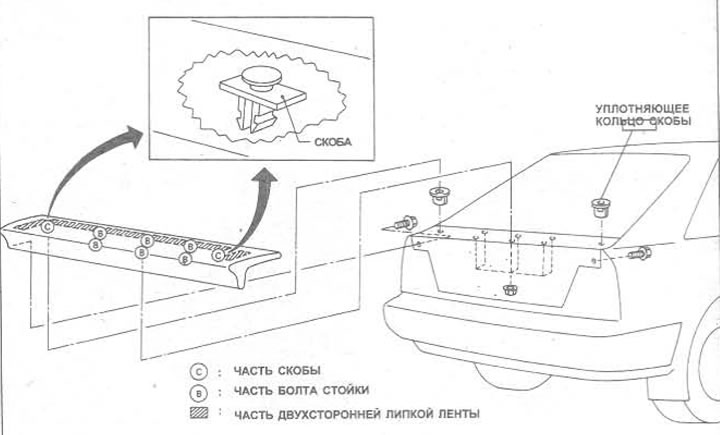
Figure 11.7. Rear spoiler mountings - Hatchback
7. Assembly is carried out in reverse order.
Released models
8. It is obvious that apart from three screws in each wheel arch, there are no other fastenings on the front and rear spoilers.
Data copied from web resource: NISSANBOOK.RU
Front Panel - All Other (Early) Models
9. Cars produced before May 1988 are equipped with a panel attached to the front of the body.
10. First remove the two-piece grill (see Chapter 10 of this Section).
11. The front panel is secured with nuts at the edges and screws along the entire length. Remove them to pull the panel out of the front of the body and fenders. Reassembly is done in the reverse order.