


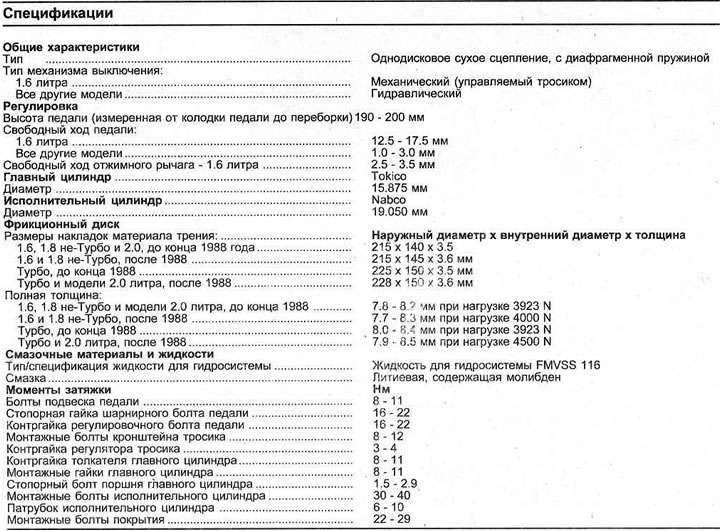
All models with manual transmission are equipped with a single-plate dry clutch with a diaphragm spring. The clutch consists of a friction disk, a support cover, a release bearing and a release mechanism. All these components are located in a large clutch housing located between the engine and the transmission. On 1.6-liter models, the release mechanism is mechanical, controlled by a cable, on 1.8 and 2.0-liter models, the mechanism is hydraulic, consisting of a master cylinder, an actuator cylinder and connecting hydraulic pipes and flexible hoses.
The friction disc is located between the engine flywheel and the clutch pressure plate and slides freely on the grooves of the transmission input shaft. It consists of two round linings made of friction material and a spring-loaded hub to dampen transmission shocks.
The support cover is bolted to the engine flywheel and is oriented by three dowel pins; it contains the clutch housing, diaphragm spring and pressure plate. When the assembly is bolted to the flywheel, rotation is transmitted from the crankshaft through the flywheel and clutch housing to the friction plate (these last three components are clamped securely together by a pressure plate and a diaphragm spring) and from the friction disk to the transmission input shaft. To interrupt the transmission of rotation, the spring is pressed by the release bearing, which is mounted on the input shaft of the gearbox; when the driver presses the clutch pedal, the release bearing presses into the center of the diaphragm spring. The pressure into the center distorts the spring so that it weakens at the outer edge, releasing the pressure plate.
On 1.6 liter models, pressing the clutch pedal is transmitted to the clutch via a cable, which rotates the release shaft, pulls the release fork, which presses on the release bearing.
On the 1.8 and 2.0 liter models, pressing the clutch pedal acts on a short pushrod, moving forward a piston in the master cylinder, which is mounted in the engine compartment on the right side. Hydraulic pressure is transmitted to the slave cylinder, (which is installed externally on the clutch housing), and makes the piston move. The pusher presses on the upper end of the release fork. The fork in turn presses on the release bearing.
As the friction disc linings wear, the pressure plate moves toward the flywheel, allowing the diaphragm spring to move toward the release bearing and reducing the play that should be between the spring and the bearing. To prevent clutch slippage on 1.6-liter models, the clutch cable must be adjusted periodically. On 1.8- and 2.0-liter models, adjustment is made automatically in the hydraulic master cylinder.
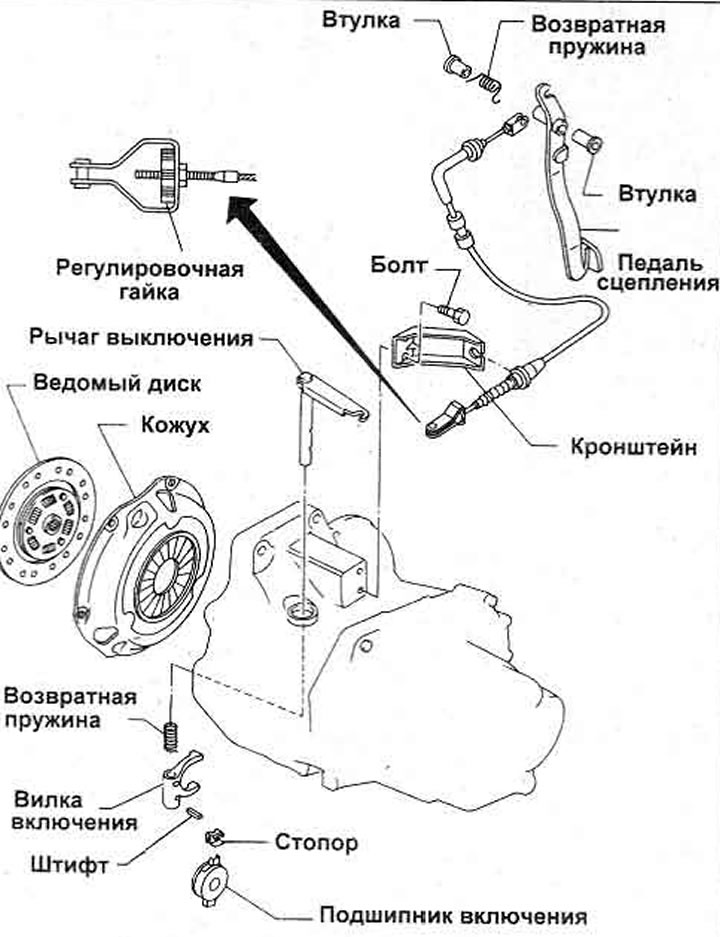
Figure 5.1. Cable-actuated clutch components - 1.6 liter models
The article was obtained from the portal NissanBook.ru
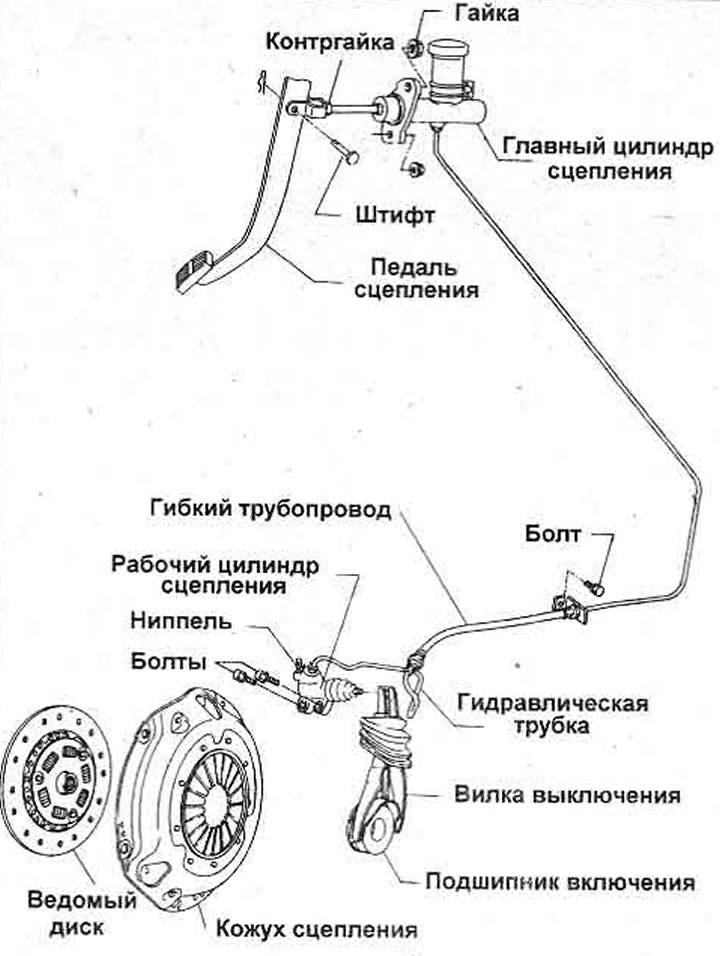
Figure 5.2 Hydraulically controlled clutch parts - all other models. Early type hydraulic pipes and hose shown