


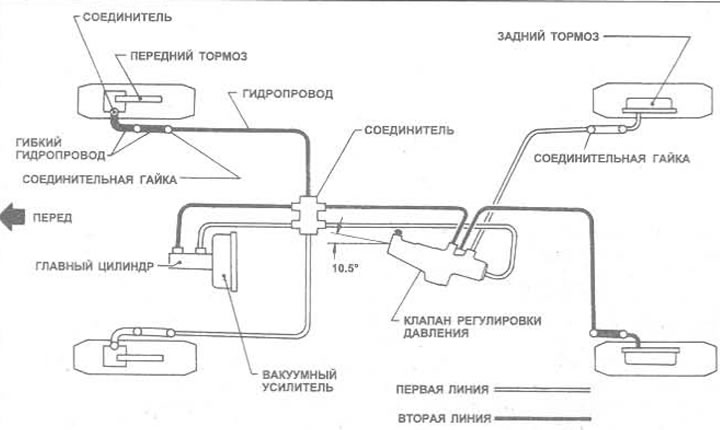
Figure 9.1. Brake system diagram - early models
To prevent the rear wheels from locking up, early models have an inertia-sensitive pressure-reducing valve that controls the pressure to the rear brakes. On later models, a pressure limiter is installed on the master cylinder. This switches off when a certain pressure is reached and any further increase in pressure is transmitted only to the front brakes. This type is implemented by a two-line configuration with four metal hydraulic tubes.
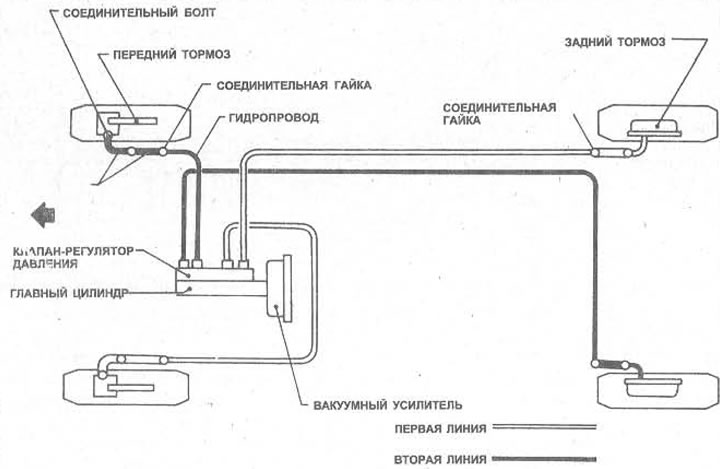
Figure 9.2. Brake system diagram - late models
The vacuum booster uses the intake manifold pressure relief (works only when the engine is running) to increase the force applied by the driver to the brake pedal and transmits this increased force to the pistons of the master cylinder. The servomotor transmits direct action from the input rod connected directly to the brake pedal and is of the closed vacuum type. It consists of (on early models) from a metal chamber divided by a piston into a front and back part. The piston is also a sealed diaphragm. Later models use a servomotor, which has two diaphragms, but the principle of operation is the same.
Brake calipers, in the front or rear wheels, have a single piston that moves in a housing that is firmly attached to the suspension strut. Braking efficiency depends to a large extent on the condition of the brake pads and piston and the tightness of the connections that make up the brake system.
Shoe brakes are installed on the rear wheels of most models.
They consist of a metal drum, which is an integral part of the rear hub and which rotates together with the wheel and protective shield. Each drum is bolted to the base of the suspension and carries two brake shoes with their working mechanisms. When the material wears out due to friction in the working mechanisms of the brake drum, an automatic clearance adjustment device is provided, which expands the shoes to reduce the gap whenever it exceeds the permissible values. The handbrake controls the shoes from a lever installed near the driver's seat, using a cable that is bifurcated and fed to each brake mechanism on each rear wheel separately.
Note: When servicing the brake system, it is necessary to maintain complete cleanliness. Always replace brake system components if you are in doubt about their condition, and use only genuine Nissan parts, or at least good quality parts from well-known companies.