


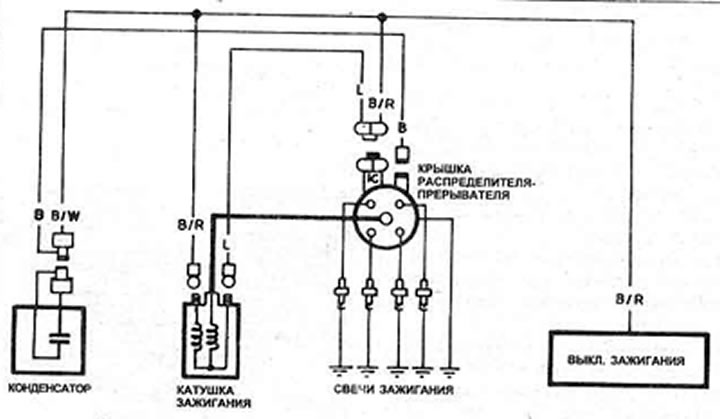
Figure 4.1. Ignition circuit - carburetor models (Chapter 1)
Note: Black/red wire on later models replaced with black/white
The ignition distributor is mounted on the left side of the cylinder head and rotates from the camshaft. The ignition advance is set in the ignition distributor and is controlled mechanically and by vacuum. The regulator mechanism consists of two opposite weights that move from the distributor shaft under the action of centrifugal force, with an increase in engine speed. They rotate the pulse generator relative to the distributor shaft and create the ignition advance. The weights are held in position by two light springs, the correct setting of the ignition advance depends on the elasticity of the springs. The vacuum regulator consists of a diaphragm, one side of which is connected through a small-diameter hole to the carburetor and the other side to the ignition distributor. The pressure drop in the exhaust manifold, which changes depending on the engine speed and throttle position, causes the diaphragm to move, the diaphragm in turn moves the support plate, reducing the ignition advance angle.
The source of the article is on the website: www.NissanBook.ru
Warning: The voltages produced by contactless ignition systems are significantly higher than those produced by a conventional system.