


- When the ESP system is activated, the road surface traction indicator light located on the instrument panel starts flashing.
- When only the TCS anti-slip system, which is part of the ESP system, is switched on, the road surface grip deterioration indicator lamp also starts flashing.
- If the traction warning light flashes, it means that the vehicle is driving on a slippery road.
ESP system failure alarm
If the normal operation of the ESP system is disrupted, the road surface deterioration indicator light and the dynamic stabilization system shutdown indicator (ESP OFF) located on the dashboard light up. As long as the specified lamps are lit, the vehicle's dynamic stabilization system will not function.
The vehicle's electronic stability program (ESP) uses an active braking system to apply force to the slipping drive wheel (Active Brake Limited Slip ABLS) in order to improve the traction properties of the vehicle. The ABLS system operates similarly to a limited-slip differential and is activated when one of the drive wheels is on a support surface with a low coefficient of adhesion and begins to slip. The ABLS system, by braking the slipping wheel, provides a corresponding increase in torque on the other wheel of the axle that has better adhesion to the support surface. When the ESP system is turned off, all functions of this system are turned off. When the ESP system is turned off, the ABLS and ABS systems continue to operate. When the ABLS or ABS system is activated, the SUP indicator lamp flashes, a characteristic noise is heard and / or a pulsation is felt on the brake pedal. This is a normal phenomenon that does not indicate a malfunction of the system.
See the original on the resource: nissanbook.ru
During the operation of the dynamic stabilization system (ESP) You can feel the pulsating force on the brake pedal and hear a characteristic noise or feel a vibration from under the hood of the car. This is a normal occurrence and confirms the normal functioning of the ESP system.
The diagnostic program built into the ESP control unit checks the system for proper operation each time the engine is started and the vehicle is driven at low speed in forward or reverse gear. During the self-diagnosis of faults, you may hear a characteristic noise and/or feel a pulsation in the brake pedal force. This is normal and does not indicate a fault in the system.
In some cases it may be useful to turn off the ESP system to allow the wheels to spin with slip:
- When driving in deep snow or mud;
- When the car rocks back and forth when stuck in snow;
- When driving with snow chains installed.
Dynamic stabilization system switch
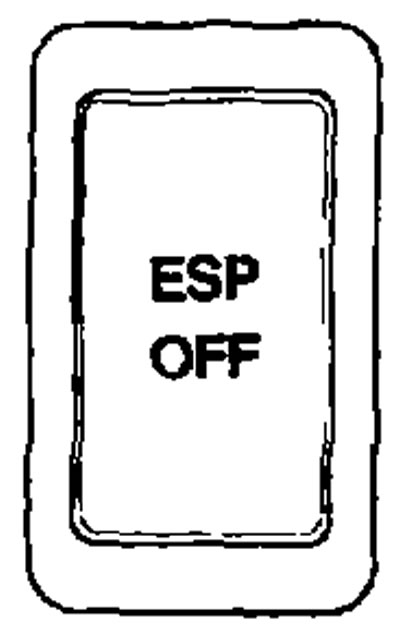
- The dynamic stabilization system must be switched on under normal vehicle driving conditions.
- When stuck in deep snow or mud, the ESP system reduces engine power in an attempt to reduce wheel slippage. The engine speed will be reduced even when the accelerator pedal is fully depressed. If you need maximum power to pull out a stuck car, turn off the ESP system.
- To turn off the ESP system, press the ESP OFF switch. The ESP OFF indicator will then turn on.
- Press the ESP OFF switch again or restart the engine to turn the system back on.