


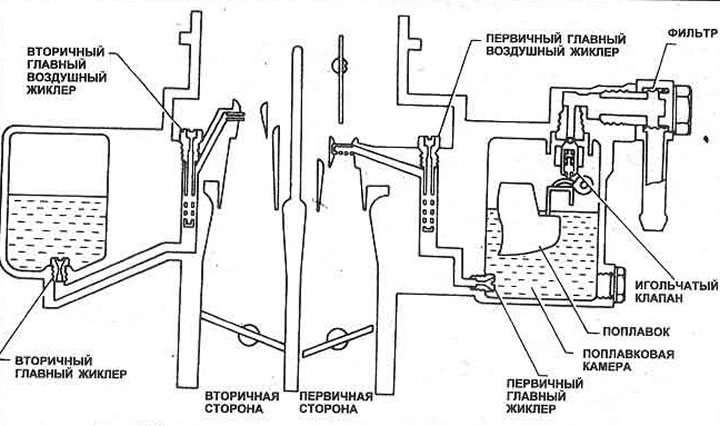
Figure 3.9. Carburetor main system - typical
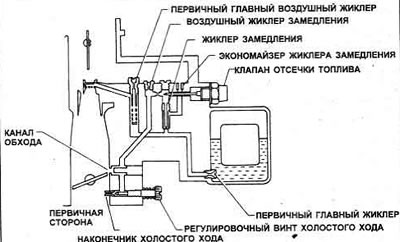
Figure 3.10. Slow flow carburetor system - typical
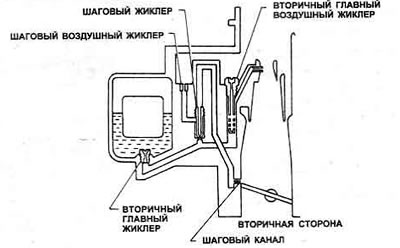
Figure 3.11. Carburetor stepping system - typical
[For more information, see the website: NissanBook.ru]
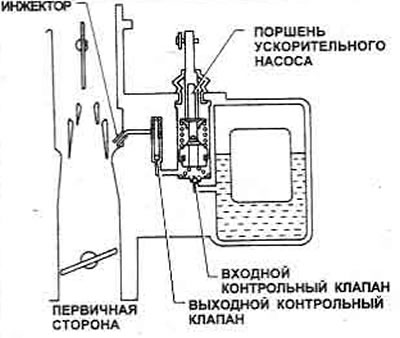
Figure 3.12. Carburetor accelerator pump system - typical
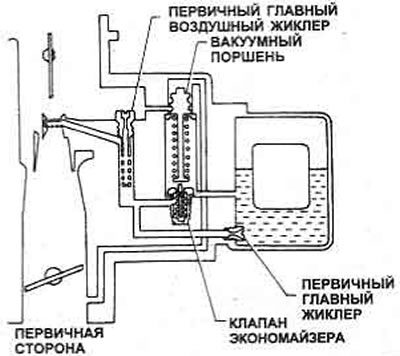
Figure 3.13. Carburetor economizer valve system - typical
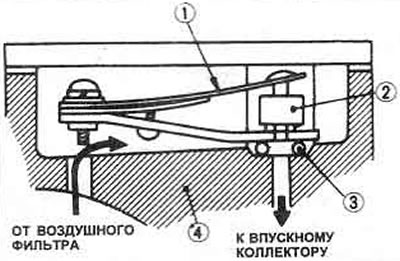
Figure 3.14. Idle speed compensator components: 1. Bimetallic plate; 2. Rubber valve; 3. O-ring seal; 4. Carburetor
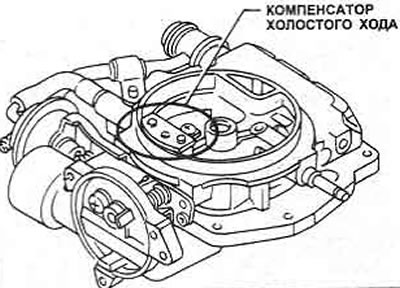
Figure 3.15. Idle speed compensator location - 1.6 and 1.8 liter models
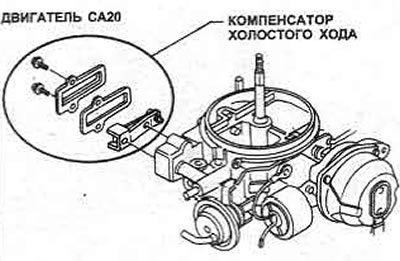
Figure 3.16. Idle Air Compensator Location - 2.0L Models
The carburetor includes the following devices:
- Fuel switch valve (fuel cutoff)
- Bimetallic idle speed compensator
- Electrically heated automatic air damper Accelerator pump
- Slowing device (manual transmission) (Chapter 18)
- Idle Control Valve (Chapter 19)
- Dashpot throttle
The fuel shut-off valve prevents operation when the ignition is off (diesel effect).
The idle air compensator uses a bimetallic strip to open an air passage from the air cleaner directly to the intake manifold when the temperature is high enough. It compensates for a rich idle mixture and stabilizes the engine idle speed.
The automatic choke consists of a bimetallic coil spring which (cold) holds the choke in the closed position. When the engine is turning, current from the alternator is supplied to the auto choke control lamp relay so that power is supplied from the battery to the choke assembly. The spring heats up causing the choke to open. A vacuum chamber opens the choke if necessary when high manifold vacuum is present.
The dashpot throttle delays the throttle closing when the accelerator pedal is lifted, thus ensuring that the remaining fuel in the manifold is burned.