


2. It consists of a filler cap which is airtight but has a vacuum relief valve which allows air into the tank, replacing the used petrol. There is also a bypass valve, pressed against the breather of the tank by a spring, to release the vapours when the pressure in the tank increases (photo).
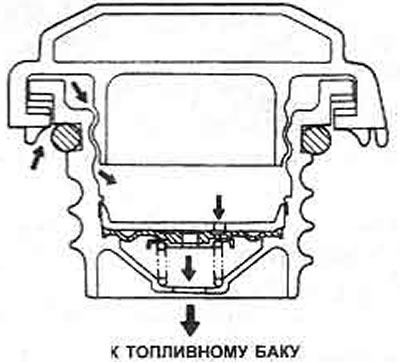
Figure 3.5. Section of the fuel filler cap
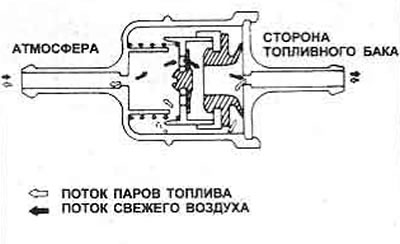
Figure 3.6. Section of the control valve
3. To check the filler cap valve, wipe it clean and try to suck through it. There will be a slight resistance initially until you hear the valve open, after which the resistance should disappear. In the opposite direction, the filler cap should not blow through. Replace the filler cap if the valve is clogged or faulty.
4. To check the check valve, blow into it from the fuel tank side. There should be significant resistance, and only a small amount of air should pass through the valve. When sucking (from the open end), the valve should pass air freely. Replace the valve if it is clogged or faulty.
5. The check valve is located in the breather pipe above the front left corner of the tank (photo). To access the valve, you need to unscrew the mounting bolts and lower the tank.
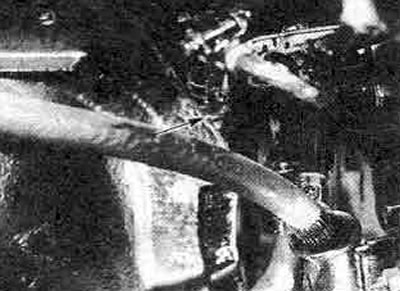
11.5. Location of fuel vapor release control valve