


2. Prepare the required amount of the specified refrigerant mixture, taking into account the reserve for topping up.
3. Fill the system slowly through the radiator filler, add to the expansion tank up to the "Max" mark, close the radiator and expansion tank caps (photo).
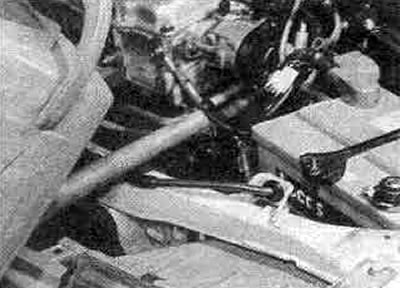
5.3 Filling the radiator with coolant
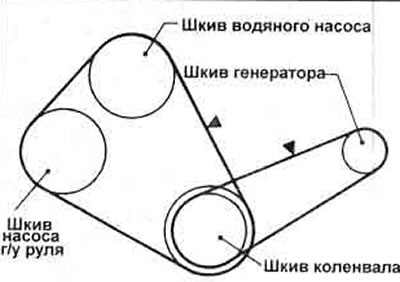
Figure 3.3 Checking Drive Belt Tension - All Other Power Steering Models
4. Start the engine and warm it up to normal operating temperature. Watch the temperature gauge.
5. Stop the engine, let it cool down completely, then remove the radiator cap and add coolant to the top of the filler. Install the radiator cap, add to the expansion tank to the "Max" mark, install the filler cap, directing the breather toward the wing.
(Original publication on the portal: www.nissanbook.ru)
6. After filling the system, always check all system components (connections broken during draining and rinsing) to prevent refrigerant leaks.
Note: If, after draining the fluid and filling the system, signs of overheating appear that were not present before, the damage is most likely due to air entering the system (an air lock restricts the flow of coolant); usually air gets in because the system is filled too quickly. In some cases, air locks can be released by loosening the seals on various hoses. If the problem persists, stop the engine and let it cool down completely, remove the coolant temperature sensor (carburetor models) or water temperature sensor(turbo and 2.0L fuel injection models) from the thermostat housing. Since this is the highest point in the system, it is possible to remove air through the sensor hole.