


Warning! Do not allow antifreeze to come into contact with exposed areas of the body or painted surfaces of the vehicle. Wash off accidental splashes immediately with plenty of water. Remember that antifreeze is a highly toxic liquid and its ingestion, even in small quantities, can have the most serious consequences (even to the point of death). Never leave antifreeze stored in a loosely closed container and immediately collect any coolant spilled on the floor. Remember that the sweet smell of antifreeze can attract the attention of children and animals. Consult with local authorities about methods of disposal of used coolant. In many regions of the world, special collection points for various types of waste have been set up. Never pour old coolant into the sewer or onto the ground!
In recent years, non-toxic types of antifreeze have been developed, but they also require care in handling.
Regularly, in accordance with the vehicle's routine maintenance schedule (see section Nissan Maxima Routine Maintenance Schedule), the cooling system must be drained, flushed and filled with a fresh mixture of antifreeze and water. This type of maintenance helps prevent the development of corrosion inside the cooling system and significantly increases the efficiency of the system. During maintenance, the condition of all system hoses and the radiator filler cap must also be checked (see section Checking the condition and replacing the hoses located in the engine compartment). Defective components are subject to replacement. Do not forget about the precautions that must be observed when servicing the cooling system (see warning at beginning of Section).
Emptying
1. Set the parking brake and support the wheels with wheel chocks. The actual maintenance procedures should be performed only after the engine has completely cooled down, i.e. several hours after the end of the trip.
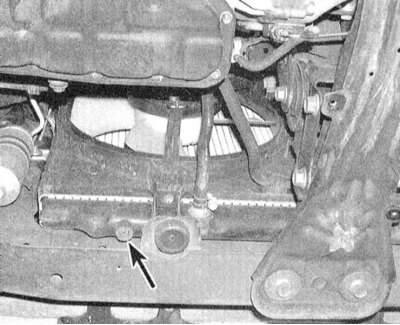
2. After the engine has completely cooled down, remove the cap from the radiator filler neck, place a container of suitable volume under the drain valve located at the bottom of the radiator assembly. Pull a piece of hose with an internal diameter of about 9.5 mm onto the nipple, lower the other end into the drain container (this hose may be included as standard equipment on some models). Loosen the valve and drain the coolant into the container.
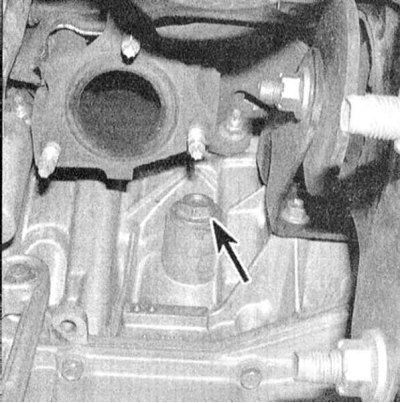
3. When the coolant has drained out of the radiator, move the tank under the cylinder block drain hole (such holes are provided on each side of the power unit. Remove the plug and drain the engine fluid.
Note: If after unscrewing the plug the liquid does not start to flow out of the hole, clean it from traces of corrosion with a suitable screwdriver.
4. While the fluid is draining from the block, check the condition of the cooling system hoses and their mounting clamps (see section Checking the condition and replacing the hoses located in the engine compartment).
5. Replace damaged or faulty components (see Chapter Cooling and heating systems). Screw the drain plugs into place and tighten them securely.
The material is taken from a web resource: NISSANBOOK.ru
Flushing
1. After the system has been drained, remove the thermostat from the engine (see Chapter Cooling and heating systems), remove it from the casing and install the latter back in its regular place (empty). Now the system is ready for flushing.
2. Tighten the radiator drain valve, connect the lower radiator hose. Move the interior heating control handle to maximum heating to ensure proper flushing of the heater heat exchanger.
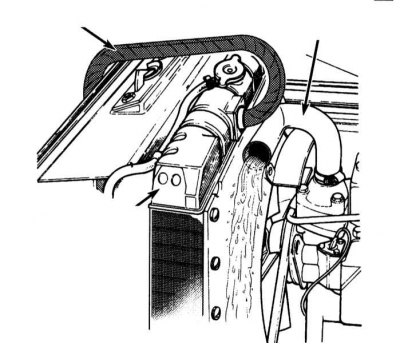
3. Disconnect the upper hose from the radiator and insert a garden hose into the latter's landing branch. Turn on the water supply and continue flushing until a clear, transparent stream begins to flow from the upper hose.
4. In cases of particularly heavy contamination or obstruction of the radiator, remove the latter (see Chapter Cooling and heating systems) and deliver it to a car service workshop for restoration and maintenance. Corrosion products and dense deposits are removed from the cooling system tract by chemical treatment - follow the instructions of the manufacturer of the cleaning agent you purchased.
Note: If the system is flushed and coolant is replaced regularly, there should be no need to chemically treat the system.
5. After finishing flushing, drain the radiator and drain the remaining water from the cylinder block.
Refueling
1. Reconnect the radiator hoses to their original connections and reinstall the thermostat.
2. Move the interior heating control handle to maximum heating.
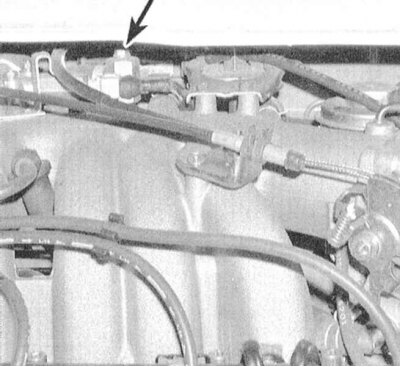
3. Slowly pour fresh water, mixed in the required proportions, into the radiator (see Specifications) mixture of antifreeze and water. Continue filling until the liquid level rises to the lower edge of the filler neck. Add coolant to the expansion tank, bringing its level to the lower mark (FULL COLD). Wait five minutes and check the coolant level in the radiator again, adjusting if necessary.
Note: On 1993 and 1994 models, loosen the bleeder plug on the engine block to release trapped air from the cooling system. When coolant begins to flow out, retighten the plug and adjust the radiator fluid level.
4. Without installing the radiator cap, start the engine and warm it up until the thermostat valve opens (the liquid should start to circulate through the radiator, and the upper hose of the latter will warm up).
5. Turn off the engine and let it cool down. Add some more liquid to the radiator, bringing its level to the lower edge of the filler neck.
6. Squeeze the upper radiator hose to release any air, and add a little more coolant if necessary. Replace the radiator cap.
7. Move the interior heating system control handle to maximum heating, turn on the heater fan to maximum speed.
8. Start the engine, warm it up to normal operating temperature and check the system for signs of leaks.