


Table of contents: Engine oil ↓ Engine coolant ↓ Windshield Washer Fluid ↓ Battery electrolyte ↓ Hydraulic fluid for brake and clutch…↓
Various fluids act as working fluids in lubrication, cooling, heating and air conditioning, braking, windshield washing, etc. systems. Since all fluids are subject to liquefaction and wear over time, and also gradually become contaminated during normal system operation, it is necessary to periodically replace them completely. Before adjusting the level or replacing, check out the list of recommended fluids for use in your vehicle.
Note: When checking fluid levels, the vehicle should be parked on a level, horizontal surface, preferably with a hard surface.
Engine oil
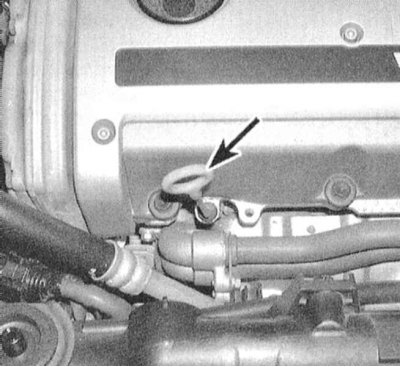
1. The engine oil level is checked using a dipstick inserted into the guide tube and lowered into the engine to the bottom of the oil pan. On all models, the dipstick is located in the front of the power unit.
2. The oil level should be checked before the first trip of the day, or at least 5 minutes after the engine has been stopped. If the check is performed immediately after the engine has been turned off, the results will not adequately reflect the situation, since some of the oil will be distributed throughout the internal galleries and components of the engine.
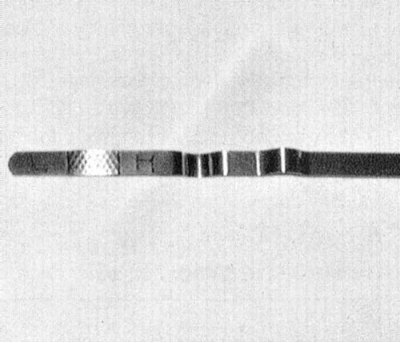
3. Remove the dipstick from the guide tube and wipe the blade dry with a clean rag or paper towel. Insert the dipstick back into the tube until it stops, then remove it again. Inspect the dipstick blade and estimate the size of the area wetted with oil. The oil level should be between the upper and lower marks on the dipstick blade. If necessary, add the appropriate amount of oil of the required grade to the engine.
4. It takes about one liter of oil to raise the level from the lower (MIN) mark on the dipstick to the upper (MAX). Lowering the level beyond the lower limit of the permissible range leads to the development of oil starvation of the engine and is fraught with serious mechanical damage to the latter. Also try not to overfill the oil above the upper mark, as this can lead to spark plugs being thrown or failure of the power unit seals due to excessive pressure increase.
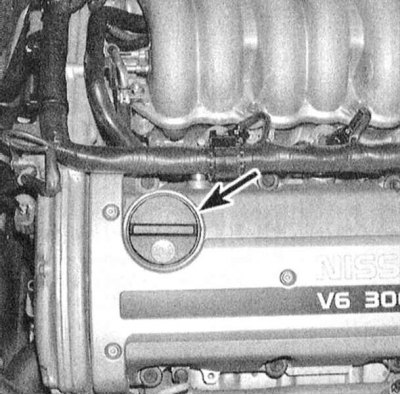
5. To fill the engine with oil, remove the threaded filler cap. To avoid splashing oil when pouring it into the engine, use a funnel or a long-nosed oiler. After filling the engine with oil, screw on and tighten the filler cap securely, then start the engine and carefully inspect the drain plug and the surface of the oil filter mating with the block for signs of leaks. Turn off the engine, wait about 5 minutes for the oil to drain into the pan, then check its level again.
6. Checking the engine oil level is an important preventive maintenance procedure for the engine. A constant decrease in the level indicates the presence of oil leaks due to failure of seals, damage to sealing gaskets, wear of piston rings or valve guides. If the oil is milky in color or consistency, or if there are drops of water in it, this indicates possible damage to the cylinder head gasket, or the formation of cracks in the body of the head(s) or block. The check must be done without delay. When measuring the oil level, always also check its condition. Use your thumb and forefinger to remove traces of oil from the dipstick blade - if there are small metal particles in it, the oil must be replaced (see section Changing engine oil and oil filter).
Engine coolant
Note. Do not allow antifreeze to come into contact with exposed skin or painted surfaces of the vehicle. Wash away accidental splashes immediately with plenty of water. Remember that antifreeze is a highly toxic liquid and its ingestion, even in small quantities, can have serious consequences, including death. Never leave antifreeze stored in a loosely closed container; immediately collect any coolant spilled on the floor. Remember that the sweet smell of antifreeze can attract the attention of children and animals. Consult with local authorities about methods of disposal of used coolant - in many regions of the world there are special collection points for various types of waste. Never pour old coolant down the drain or onto the ground!
In recent years, non-toxic types of antifreeze have been developed, however, they must also be disposed of in an organized manner.
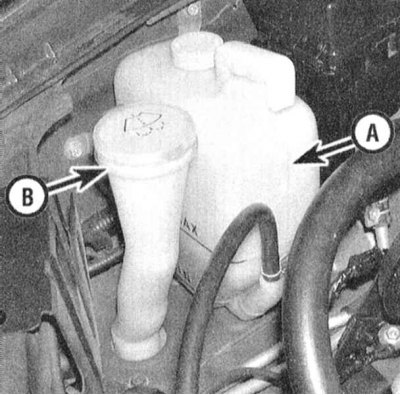
1. All models of cars described in this Manual are equipped with a compensating cooling system operating under excess pressure. The expansion tank of the cooling system, made of translucent plastic, is located in the engine compartment and is connected by an overflow hose to the base of the radiator filler neck. When the engine overheats, the coolant expands, and its excess flows through the valve mounted in the radiator filler cap into the expansion tank. As the liquid cools, it returns through the hose back to the radiator, which allows its level in the system to be constantly maintained at the normal level.
Attention! Never remove the radiator filler cap when the engine is hot!
2. The coolant level in the expansion tank is checked regularly and should be between the LOW and FULL marks on the translucent walls of the tank. It should be remembered that the liquid level depends on its temperature, so when cold it should be only slightly above the lower mark, and after the engine warms up, it should rise to the FULL mark. If necessary, make the appropriate adjustments by adding the required amount of fresh mixture to the tank through the neck.
Caution! To adjust the fluid level, use only the required mixture of ethylene glycol and distilled water (about 50/50). Remember that frequent use of plain water for this purpose leads to gradual dilution of the antifreeze and the loss of its frost resistance and anticorrosive properties by the mixture. You should also not abuse various types of additives and additives.
3. A constant drop in the coolant level usually indicates the development of leaks in the system. Check the radiator, connecting hoses, filler cap, drain plugs and water pump housing for signs of leaks (see section Checking the condition of the cooling system components). If no signs of leaks can be detected, the radiator cap should be pressure tested in a car service workshop.
Caution! Never remove the radiator/expansion tank cap when the engine is hot!
4. If you need to remove the radiator cap, wait until the engine has cooled down completely, then wrap the neck with a thick layer of rags and slowly unscrew the cap to the first stop. If steam is released, allow the engine to cool down a little more, and only then remove the cap completely.
5. In addition to the level, always check the condition of the coolant - it should be relatively clear. If the coolant is a reddish-brown rust color, the cooling system should be drained, flushed and filled with a fresh mixture of antifreeze and water. Even if the liquid does not change in appearance, the corrosion inhibitors it contains are subject to wear over time, so the coolant should be replaced regularly in accordance with the vehicle's routine maintenance schedule (see section Nissan Maxima Routine Maintenance Schedule).
6. Try not to allow antifreeze to come into contact with exposed skin or painted surfaces of body components. Wash off any accidental splashes immediately with plenty of water.
(Read more on the website: «www.nissanbook.ru»)
Windshield Washer Fluid
1. Windshield washer fluid is poured into a special plastic reservoir located on the right side of the vehicle's engine compartment, next to the expansion tank of the cooling system.
2. In regions with moderate climates, clean water can be used as a windshield washer fluid, but do not fill the reservoir more than 2/3 full to compensate for the expansion of water when it freezes during frosts. When operating the car in severe climates, only patented windshield wipers should be added to the reservoir, ensuring an appropriate decrease in the freezing point of the liquid.
Attention! The rules for mixing the mixture are usually printed on the label attached to the container. Never use the antifreeze used in the cooling system to add to the windshield washer fluid - the latter is aggressive towards the paintwork of the body panels!
3. To avoid freezing of the glass when washing in cold weather, preheat it by blowing air through the heater heat exchanger.
Battery electrolyte
The vehicles covered in this Manual are equipped with a sealed maintenance-free battery, the casing of which only has ventilation holes. If, during the operation of the vehicle, the battery is replaced for any reason with a conventional one, (serviced), you should check the electrolyte level in its cans from time to time, for which you need to remove the upper control/filler plugs. You should especially carefully monitor the electrolyte level in the warm season. To adjust the electrolyte level, use only distilled water.
Hydraulic fluid for brake and clutch systems
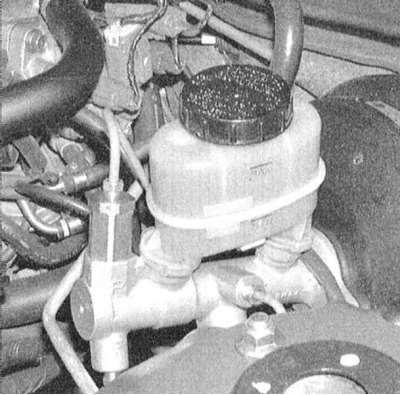
1. The brake master cylinder (BMC) is located in the upper left corner of the engine compartment of the vehicle and is attached to the brake booster servo unit. The hydraulic clutch cylinder is used on models with a manual transmission and is attached next to the BMC directly on the rear bulkhead of the engine compartment.
2. The fluid level inside the reservoir is clearly visible through the translucent walls of the latter and should be maintained between the MIN and MAX marks. Please note that the hydraulic circuit of the clutch drive has a sealed design and, under normal conditions, does not require adjustment of the fluid level (see Chapter Clutch and drive shafts).
3. If it is necessary to adjust the fluid level, carefully wipe the cap of the corresponding reservoir and the area around it with a clean cloth to prevent dirt from getting into the hydraulic system.
4. When pouring fluid into the reservoir, make sure that it does not splash onto the surrounding painted surfaces of body parts. Add only the fluid of the grade specified by regulatory requirements to each of the systems (see Specifications at the beginning of this Chapter), - mixing two liquids of different types is under no circumstances allowed and may lead to failure of the corresponding system!
Warning! Brake fluid is extremely chemically aggressive - do not allow it to come into contact with your eyes or paint on body panels! Do not add hydraulic fluid to the system that has been standing for more than one year or that has been stored in a loosely closed container. Remember that brake fluid is very hygroscopic, i.e. it has the ability to absorb moisture from the air, which can dangerously reduce the efficiency of the brake system!
5. During the level adjustment stage, the condition of the fluid and the inner walls of the tank should also be carefully checked. If mud deposits, solid foreign particles or water droplets are detected, the system should be emptied and filled with fresh hydraulic fluid (see Chapter Brake system).
6. Once the tank is filled to the required level, place the lid on it tightly.
7. Remember that the hydraulic fluid level in the master cylinder reservoir gradually drops as the friction linings of the brake shoes are applied, but this decrease is always very slight. If the fluid has to be topped up too often, then there is a leak in the system, the source of which must be identified without delay and the cause eliminated - carefully inspect all brake lines and their nipple connections, including calipers, wheel cylinders and the vacuum booster servo (for more details, see Section Checking the brake system).
8. If, during the check of the fluid level in the brake master cylinder, it is revealed that its reservoir is almost empty, the brake system must be completely bled (see Chapter Brake system).