


2. Checking the ATF level should be done with the transmission warmed up to normal operating temperature (16÷20 km, 72÷80°С).
Attention! Do not check the ATF level immediately after driving the vehicle at high speeds, in urban conditions in hot weather, or after towing a trailer - let the fluid cool for about 30 minutes beforehand. Park the vehicle on a level, hard surface and apply the parking brake firmly. If the engine is cold, start it and warm it up at idle. With the engine running, depress the foot brake pedal and alternately move the AT selector lever through all positions, finally returning it to the position "R".
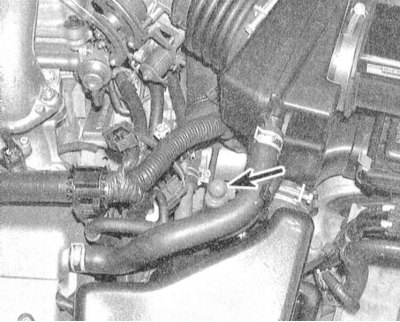
3. With the engine running, remove the dipstick from the guide tube. Use your fingers to remove traces of ATF from the dipstick blade and evaluate its condition by touch.
4. Wipe the blade thoroughly with a clean rag and insert the probe back into the guide tube, seating the cap firmly on the mouth.
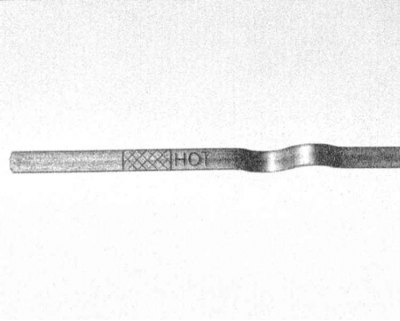
5. Remove the dipstick from the throat again and determine the ATF level in the transmission housing by the size of the wetted area of the blade. If necessary, make the appropriate adjustment by adding the required grade of fluid to the transmission through a funnel - pour ATF directly into the neck of the dipstick guide tube.
6. To raise the ATF level from the lower limit of the dipstick operating range to the upper one, about 0.6 l of liquid is required - fill in in small portions in several stages, checking the level each time.
7. Simultaneously with the level, the condition of the ATF should also be checked. If the fluid wetting the tip of the dipstick blade is dark red-brown or smells of burning, the ATF should be replaced (see Section Replacement of ATF automatic transmission and final drive). If you are unsure about the correct assessment of the condition of the transmission fluid, compare it by color and smell with fresh ATF.