


Attention! When performing work, observe fire safety regulations. Depressurization of the fuel line of injection engines is allowed only after decompression of the system (Chapter 4).
1. The fuel tank is mounted in the rear part of the body.
2. It is best to check the fuel system when the car is raised with a hoist or placed on stands, since some parts of the fuel system, such as the tank and part of the fuel line, are located on the bottom side.
3. The fuel system requires immediate inspection if you smell gasoline while driving or after parking the car in the sun.
4. Unscrew the fuel filler cap and check it for signs of corrosion and damage to the gasket. There should be a clear imprint of the edge of the filler neck on the gasket. Replace the gasket if necessary.
5. Check the condition of the tank and neck while under the car. Pay special attention to the connection of the neck with the tank. Punctures, cracks and mechanical damage are not allowed. The cause of a leak can sometimes be a weakening of the connection of the rubber tube of the neck or deterioration of the rubber. Such defects can be eliminated independently.
Warning! Do not attempt to repair the fuel tank yourself.
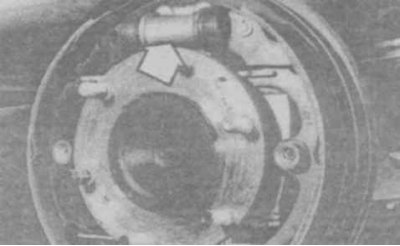
24.16 Wheel cylinder of drum brakes
6. Carefully inspect all rubber hoses and metal tubes coming from the tank. Check the reliability of the connections, the presence of signs of wear, pinching and other damage on the hoses. Carefully check the condition of the tubes along their entire length. If necessary, repair damaged sections of the line or replace them.
7. If the smell of gasoline persists, check the injection system (Chapter 4).
The full article is available on the resource: NissanBook.ru