


Engine oil
2. The oil level is checked with a dipstick (photo).
3. The oil level is checked before driving the car, or approximately 15 minutes after stopping the engine.
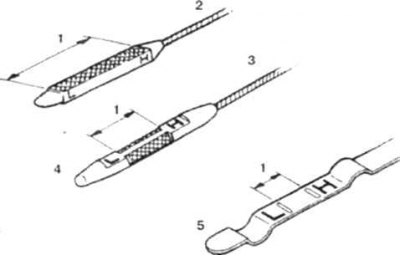
4.4g Location of marks on the oil dipstick
1. Normal level; 2. Type A; 3. Type B; 4. On V6 engines
(The original is posted on the portal: «nissanbook.ru»)
5. On 4-cylinder engines
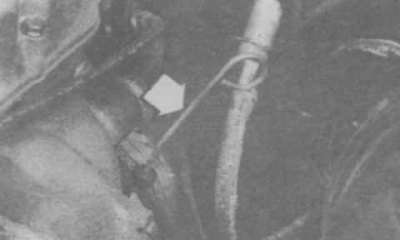
4.4b On 4-cylinder engines with 8 spark plugs, the dipstick is located on the left rear of the engine
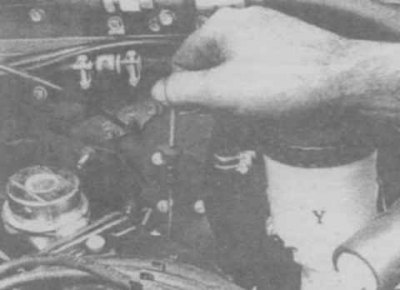
4.4v On V6 engines the dipstick is located at the rear of the engine near the brake booster
4. Remove the dipstick from the tube and wipe it with a clean rag or paper towel. Insert the clean dipstick into the pipe until it stops and remove it again. The level should be between the L (minimum) and H (maximum) marks.
5. Maintain the oil level only between the specified marks.
6. Add oil through the filler neck on the cylinder head cover (photo).
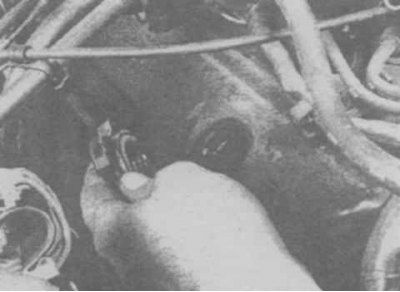
4.6 The filler cap on the V6 engine is located on the right cylinder head cover
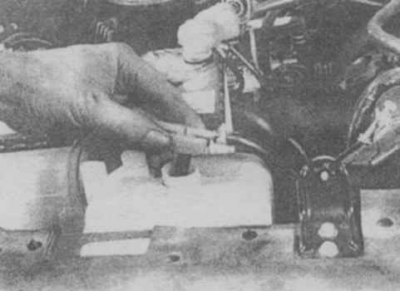
4.8 Cooling system expansion tank
7. Carefully check the oil condition on the dipstick. Emulsion contamination may be caused by cracks in the block or cylinder head, as well as by gasket failure, so it is necessary to check the engine condition.
Coolant
8. All vehicles covered in this manual have a high-pressure cooling system with fluid return to the expansion tank (photo).
9. When the engine is cold, the level should be between the "MIN" and "MAX" marks on the expansion tank. When the engine is warm, the level may be near the "MAX" mark. If you need to restore the level, wait until the engine cools down, remove the expansion tank cap and add the required antifreeze/water mixture (50/50 is recommended).
10. After the trip, check the level again.
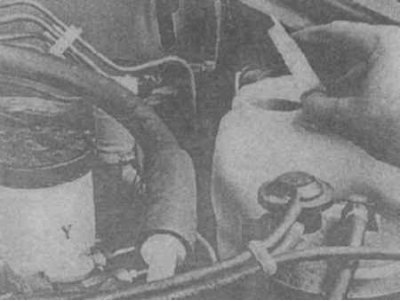
4.14 Windscreen washer reservoir
11. The need for frequent topping up indicates a breach in the tightness of the system. Check the radiator, hoses and detachable connections for traces of leaks in the form of stains or moisture. If no obvious signs of leakage are found, it is recommended to check the radiator cap and the tightness of the entire system by pressure testing (pressure supply) at the service station.
12. Unscrew the radiator cap only when the engine has cooled down.
13. If traces of contamination are detected, flush the system and replace the fluid.
Fluid in the washer reservoir
14. The windshield washer reservoir is located in the engine compartment on the driver's side (photo).
15. In a moderate climate, clean water is poured into the windshield washer reservoir to about 2/3 of the reservoir. In a cold climate, a special liquid is poured in.
16. To prevent fogging in cold weather, warm the glass from the defrost nozzle of the heater before turning on the washer.
Checking the electrolyte level
17. New cars are equipped with batteries with a transparent case, in which the electrolyte level is visible through the case (photo). If necessary, add distilled water.
Restoring the fluid level in the hydraulic drive of the brakes and clutch
18. The brake master cylinder and its reservoir are mounted on the vacuum booster inside the engine compartment. The clutch master cylinder is mounted on the engine compartment bulkhead.
19. The fluid level should be between the min and max marks on the tanks (photo).
20. Add only the recommended brand of fluid to the brake reservoir; mixing fluids of different brands is not permitted.
Warning! Brake fluid is harmful to the eyes and destroys paintwork, so be careful when pouring in fluid. Brake fluid absorbs moisture from the air, so do not pour into the brakes fluid that has been in an open container for a long time. Excess moisture leads to a dangerous loss of braking efficiency.
21. If contamination is detected, the fluid must be drained and replaced.
22. After restoring the level, tighten the tank cap tightly.
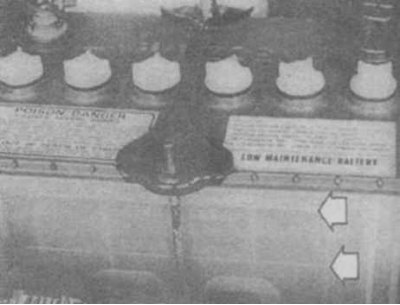
4.17 Marks between which the electrolyte level should be
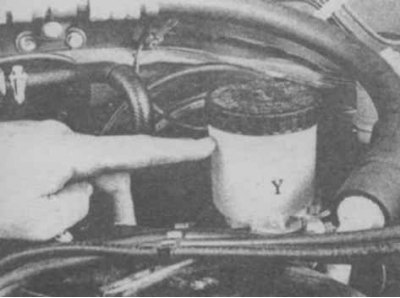
4.19a The fluid level in the brake reservoir should be near the upper mark
23. During normal operation of the system, the fluid level gradually decreases as the brake linings wear. If frequent addition of brake fluid is required, there is a leak in the hydraulic drive of the system, which should be repaired immediately.
24. If the fluid level in the tanks is below normal, then the air should be removed from the hydraulic drive.