


Checking the engine oil level
1. Place the vehicle on a level, horizontal surface and apply the parking brake.
2. Start the engine. Warm up the engine at idle speed to normal operating temperature.
3. Turn off the engine.
4. Wait 10 minutes for the oil to drain into the engine sump.
5. Open the hood.
6. Remove the dipstick and wipe it dry.
|
Engine CR14DE
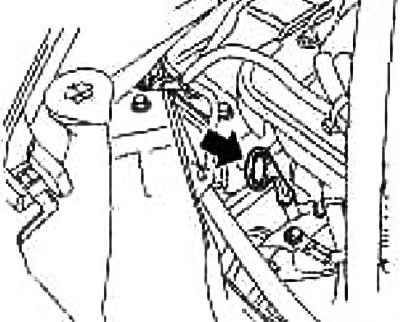 |
Engine HR16DE
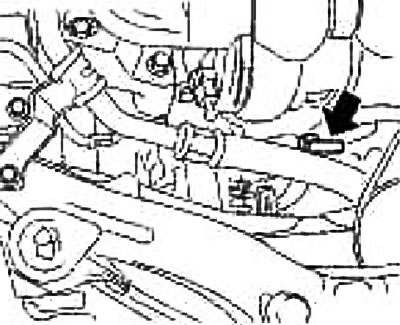 |
7. Insert the dipstick fully into place.
8. Remove the dipstick again and check the oil level. The oil level should be within the range of ①.
CR14DE and HR16DE engines
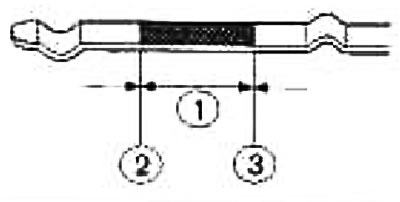
9. If the oil level is below the "MIN" level, unscrew the filler cap and add the recommended engine oil to the engine. Do not add oil above the upper level.
10. Check the engine oil level again.
11. Screw on the filler cap.
12. Close the hood.
Usually, between engine oil changes, it is necessary to top up the engine oil to compensate for its consumption. Oil consumption depends on the operating conditions of the vehicle, as well as on the quality of the oil. More frequent oil topping up is required with frequent acceleration and braking of the vehicle, especially at high engine speeds. More frequent oil topping up is also required during its running-in. If after a run of 5,000 km the oil consumption exceeds 0.5 l per 1,000 km, it is necessary to contact a service station.
Caution: Check the engine oil level regularly, at least every time you refuel. Operating the engine with insufficient oil may result in engine failure.