


Note: Only the recommended grade of hydraulic fluid should be used to add and fill the AT (see size and adjustment tables at the end of the Guide).
The transmission fluid level should be checked regularly as part of your vehicle's routine maintenance schedule. It's a good habit to check the transmission fluid level every time you fill up your vehicle with gas.
Note: It is impossible to accurately determine the transmission fluid level when operating the vehicle in hot weather, during a long high-speed trip, or when the vehicle is towed. In all of these cases, allow the transmission to cool for at least 30 minutes before checking the fluid level.
The fluid level can be checked using the COLD range on the dipstick blade after warming up the engine before driving, but should then be rechecked using the HOT range after driving is completed.
1. Warm up the transmission to normal operating temperature by driving the car on the road for about 5 km. Park on a level horizontal area with a hard surface and set the parking brake. Move the selector lever through all positions in turn, finally setting it to the "P" position. Leave the engine idling for the entire duration of the test.
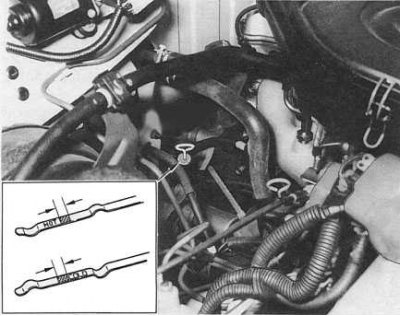
2. Thoroughly wipe the top of the dipstick/filler tube and the area around it to prevent foreign objects, debris, and dirt from entering the transmission when removing the dipstick. The location of the dipstick in the engine compartment is shown in the accompanying illustration. The insert shows the measurement markings on the dipstick blade.
3. Remove the dipstick and wipe the blade with a clean, lint-free cloth. Reinsert the dipstick completely into the filler tube.
Information copied from the portal www.NissanBook.ru
4. Remove the dipstick again and determine the transmission fluid level by the height of the wetted portion of the blade. The upper edge of the wetted portion should be within the HOT range of the blade. At the same time, check the fluid for contamination, discoloration, and the presence of a burning smell.
Note: To ensure accurate measurement, check the fluid level several times, inspecting both sides of the dipstick blade. Contamination, discoloration of the fluid, and the presence of a burning smell indicate mechanical problems and the need to show the transmission to a specialist.
5. If necessary, add the required amount of fluid of the required grade to the transmission through the dipstick tube. Bring the fluid level to within the HOT range on the dipstick blade. To avoid false readings, allow the fluid to drain completely from the tube walls before checking.
Note: Do not overfill the transmission as this may cause the fluid to foam and reduce transmission efficiency. If fluid must be added regularly and frequently (or in large quantities), the transmission should be checked for signs of leaks and the cause should be corrected immediately.
6. Reinstall the dipstick, making sure no dirt is introduced into the transmission.